
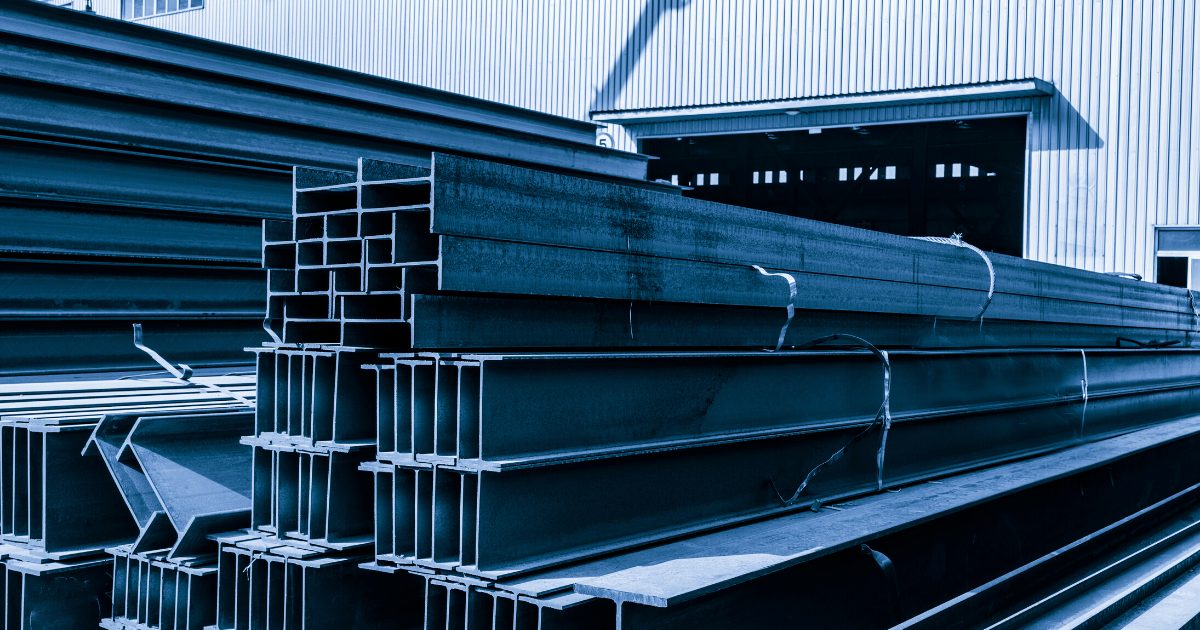
Heavy structures are steel frames built from thick plate and large members to carry high loads. They serve plants, warehouses, and crane buildings where light frames fall short.
This guide covers how such frames are made, moved, and set on site. It follows the full chain from shop cutting to final bolt torque. It also shows what to check at each stage, so delays and rework stay low.
What Makes a Steel Frame a Heavy Structure?
Heavy structure: a steel frame that uses thick plate, large sections, and heavy connections to carry high loads.
Plate thickness is one clear sign. Heavy frames use thick plate for flanges and webs, far thicker than light shed steel.
Member size is a second sign. Columns and girders may weigh several tonnes each and span long bays.
Loads form the third sign. Crane loads, stored goods, and process equipment push forces far above a normal shed.
Design codes set the rules for these loads. Our guide to steel structure design basics explains loads and codes in plain terms.
How to Spot a Heavy Structure
A heavy frame is not just a big light frame. It needs a different shop, different welds, and a different erection plan.
For help with that choice, see our guide to heavy steel structure industrial plants.
Heavy structures earn their name from load, not size alone.
Weight drives the whole job. Piece weight sets crane size, truck choice, and the number of site lifts.
A frame with 10-tonne columns needs a larger crane than a light shed frame. So the design team shares piece weights early with the erector.
Heavy frames show up in clear places. Plants with overhead cranes, tall warehouses, and process buildings all need them.
They also appear where loads are high but spans are short. A mezzanine that holds heavy machines needs thick members too.
| Feature | Heavy structure | Light structure |
|---|---|---|
| Plate | Thick plate in flanges and webs | Thin plate in most parts |
| Member weight | Tonnes per piece | Hundreds of kilos per piece |
| Main loads | Cranes, machines, and stored goods | Roof, wind, and light use |
| Site work | Large crane and trial assembly | Small crane and fast bolting |
The table shows the gap in simple terms. It helps buyers and builders speak the same language from day one.
Buyers who grasp these signs can judge quotes for heavy structures with more confidence.
Fabricating Heavy Structures in the Shop
Fabrication turns plate and sections into marked, drilled, and welded assemblies. The team plans each step before cutting starts.
Cutting comes first. CNC plasma or flame cutting shapes thick plate to the drawing, and workers drill or punch the holes to match.
Fitting comes next. Workers set flanges, webs, and stiffeners in jigs so each part holds its place during welding.
Welding thick plate needs care. Welders use multi-pass welds, preheat the joint when the code calls for it, and control heat input.
Thick welds cool slowly and can crack if rushed. So shops check each weld with visual checks, and test key joints with ultrasonic testing.
At TCGG, heavy steel frames move through cutting, welding, trial assembly, and coating in one controlled shop flow.
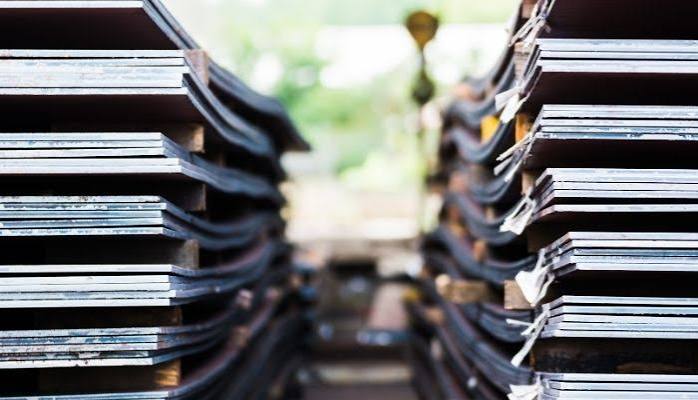
Welding Thick Plate
Thick plate holds heat and cools slowly. Welders plan the pass order to keep distortion low and the joint sound.
Preheat warms the joint before welding. It slows cooling and cuts the risk of cracks in thick, high-strength steel.
Workers clean each pass before the next one starts. Slag left in the joint would weaken the weld and fail inspection.
Trial Assembly and Final Checks
Trial assembly is the step buyers often miss. The shop bolts a full frame bay together on the floor to prove fit before paint.
This step finds small errors while they are cheap to fix. A misaligned hole found in the shop costs minutes, not days on site.
Trial assembly proves the fit. The shop assembles one full bay, checks hole alignment, and marks each part.
Inspectors then check welds and dimensions. Ultrasonic testing finds flaws inside thick welds that eyes cannot see.
Only parts that pass move to coating. Failed parts go back for repair and face testing again before they ship.
Surface treatment follows assembly. Workers clean the steel, then apply primer and top coat to the specified dry film thickness.
Coating protects the frame in transit and in service. So the shop records film thickness and touch-up notes for each piece.
For a full walk through each shop step, see our steel structure fabrication process explained.
- Cut plate and sections to size and mark each part.
- Drill or punch holes to match the shop drawing.
- Fit flanges, webs, and stiffeners in jigs.
- Weld joints in planned passes and clean each pass.
- Trial-assemble one bay and check every hole.
- Coat the steel and record film thickness.
Shops that build heavy structures every week keep jigs and weld plans ready for thick plate.
Moving Heavy Steel: Transport Limits and Packing
The shop splits long members at planned joints and packs them in load order.
Road limits shape the plan. Width, height, and weight rules differ by route, so the team checks each leg before loading.
Oversize loads need permits and escorts in many regions. So the shipping team books these early and plans the route around bridges and turns.
Containers suit smaller parts and plates. Open-top or flat-rack units take long members that will not fit a closed box.
Each piece carries a mark. The mark shows the piece number, the frame line, and the erection sequence for the site crew.
Good marks save hours on site. Crews lift pieces in order and never dig through a stack for one missing beam.
For heavy structures, the transport plan starts at the design desk, not at the loading dock.
Packing and Loading Order
Protection matters during the trip. Covers and edge guards stop rain and road grit from harming fresh coating.
Before loading, the team inspects each piece for rust spots and coating damage. Small touch-ups now beat rework after delivery.
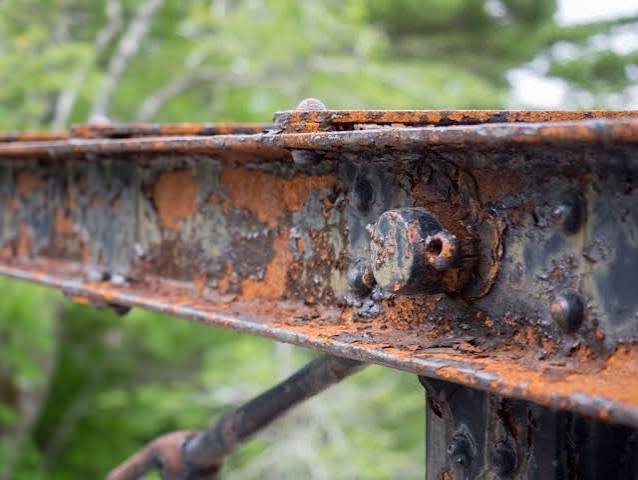
Export jobs add one more layer. Sea freight needs sealed packing, desiccant, and strong crates for long trips.
Moisture is the main risk at sea. So export packs use plastic wrap, silica gel, and vented crates where the route allows.
The shipping list is the site crew’s map. It lists every piece, its mark, its weight, and the container or truck that holds it.
Loading order follows the erection plan. The first pieces to rise go on last, so they come off first at the site.
Packing also follows the project specs. Our steel factory building specifications show what a full package should include.
- Check route limits for width, height, and weight.
- Book permits and escorts for oversize loads.
- Mark every piece with its number and sequence.
- Protect coating with covers and edge guards.
- Load in reverse erection order for fast unloading.
Erection on Site: Cranes, Alignment, and Tolerances
Erection is where shop work meets the real site. A clear lift plan keeps each pick safe and on schedule.
The lift plan lists each piece, its weight, and its pick point. It also names the crane, the radius, and the ground bearing need.
Crane choice follows the heaviest pick. A mobile crane suits most frames, while a crawler crane fits soft ground and long reaches.
Ground prep comes before the first lift. Crews level the crane pad and check soil bearing so the crane stays firm under load.
Heavy structures rise one bay at a time, and each bay must stand safe before the next.
Heavy structures need a crane plan before the first truck arrives.
Setting Columns and Beams
Crews set each column on its base plate and plumb it with a level. Anchor bolts and temporary guys hold it in place.
Beams follow in sequence. Workers bolt the main girders, then add bracing to lock each bay before the crane moves on.
High-strength bolts need correct torque. Crews tighten in stages and record the values, so the joint holds its design force.
Tolerances are tight but real. Columns must stand plumb within set limits, and beam levels must match the drawing within a few millimeters.
The AISC Code of Standard Practice sets the shared rules for fabrication and erection tolerances and site duties.
Erection crews who raise heavy structures plan each pick on paper first, then on site.
Safety and Handover
Safety rules shape every lift. Crews mark an exclusion zone under each pick and keep all staff clear of the load.
Wind limits stop work when gusts rise. A long member acts like a sail, so the team checks the forecast each morning.
Tag lines control the load. Two workers guide each piece from the ground and stop it from swinging.
Bolting runs in a set order. Crews snug all bolts first, then torque them in stages from the center out.
A final survey proves the frame. Surveyors check column plumb and beam levels against the drawing before handover.
Temporary bracing holds the frame until the full system is complete. Crews never remove it early, even when the frame looks stable.
Final checks close the job. The team re-checks plumb, level, and bolt torque, then signs the handover record for the owner.
Frames that carry overhead cranes need extra care. Our guide to overhead crane steel building runway beams explains the load path.
Need help with heavy steel fabrication and erection? Send us an inquiry with your project details. Our specialists will reply and help you.