A steel building quotation breakdown shows what you pay for, line by line. It turns one total price into clear parts you can check. Without it, two quotes can look alike while they cover very different work. This guide explains each line, the cost drivers behind it, and the checks that protect your budget.
Use this guide before you sign a contract. It helps you ask the right questions and compare quotes on equal terms. Prices vary by size, site, design loads, and finish level. No single figure fits every project, so what matters is that each cost has a place in the quote.
What a Steel Building Quotation Breakdown Should Show
A good quotation lists each cost on its own line. You should see the steel package, the foundation, delivery, erection, and any extras. Each line should state what it covers and what it leaves out. If a line is vague, ask the supplier to spell it out.
The table below works as a checklist for any steel building quotation breakdown you receive. Not every project needs every line. A storage shed, for example, may skip HVAC and interior work. A factory or office needs more lines, so check the scope first.
| Line item | What it usually covers | Check before you sign |
|---|---|---|
| Engineering and drawings | Design, load checks, and stamped drawings where required | Ask which code and loads the design uses |
| Primary steel frame | Columns, rafters, bracing, and connection plates | Check steel grade and member sizes |
| Secondary framing | Purlins, girts, and eave struts | Ask about spacing and coating |
| Roof and wall panels | Panels, fasteners, and basic trim | Confirm panel type and gauge |
| Doors and windows | Framed openings, doors, and glazing | Confirm sizes, insulation, and hardware |
| Insulation | Roof and wall insulation and vapor barrier | Check thickness and type |
| Foundation and slab | Footings, slab, and anchor bolts | Ask who designs and pours it |
| Delivery and freight | Transport, unloading, and site access | Confirm who unloads and with what |
| Erection | Crew, cranes, safety, and alignment | Ask about crew size and schedule |
| Permits and fees | Permit applications and local fees | Check who files and pays |
| Finishes and services | Electrical, plumbing, HVAC, and interiors | Confirm each trade is priced |
Also check the currency and the validity period of the quote. A quote in a foreign currency can shift with the exchange rate. A short validity period can also leave you exposed if steel prices move. Ask how long the price holds and what can change it.
Why Itemised Lines Matter in a Steel Building Quotation Breakdown
An itemised quote lets you compare suppliers fairly. One supplier may look cheaper because a line is missing. Another may cost more because it includes the slab and erection. With clear lines, you can see the real gap. You can also move a line in or out without redoing the whole quote.
What Drives the Price in a Steel Building Quotation Breakdown
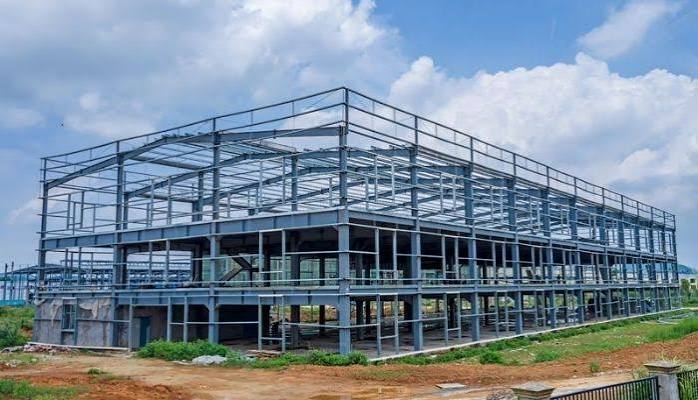
Each line in a steel building quotation breakdown moves for its own reasons. Size is the first driver. Larger buildings often cost less per square metre because fixed costs spread wider. But taller walls, wide spans, and heavy loads push the frame cost back up.
The range of steel buildings covers warehouses, factories, workshops, and halls. Each use adds its own lines to the quote. A cold storage hall, for example, needs more insulation than a plain store. So start from the use, not from the size alone.
Size, Shape, and Design Loads
Wind, snow, and seismic loads shape the steel structure frame. A building in a high-wind zone needs heavier steel and closer bracing. Snow loads add weight to the roof design. Your local code sets these loads, so ask which standard the design follows.
Industry groups such as the Metal Building Manufacturers Association publish design guidance for metal building systems. Their work helps buyers see what a sound design should cover. Use it as a reference when you check a quote, not as a substitute for local code.
Shape matters too. A simple rectangle costs less to build than a complex plan. Each extra opening needs framing and trim. Large doors need stronger headers and more steel. So keep the plan simple where you can.
Materials, Panels, and Finishes
A steel building quotation breakdown should name the coating type and the panel gauge. Thicker panels cost more but resist dents and weather better. Coatings also vary, and a better coating can extend the life of the finish. Ask what the quote covers before you compare prices.
Doors and windows add up fast. A large sectional door costs far more than a walk door. Insulated doors cost more than plain ones. List each opening with its size and type, so nothing hides in a lump sum. Our steel factory building specifications checklist shows which details to confirm for factory projects.
Erection Labour and Site Work
Erection is skilled work, and its cost depends on crew size, crane hire, and site access. A complex frame takes longer to align and bolt. Bad weather can also slow the work, so ask how the schedule handles delays. Check whether safety gear, scaffolding, and lifting gear sit inside the erection line.
Site, Access, and Logistics
Your site can change the price a lot. Soft ground may need deeper footings or extra fill. A tight access road can raise delivery costs. Long hauls add freight, and remote sites may need special permits for wide loads.
Erection crews also need room to work. They need space for a crane and for staging steel. If the site is cramped, erection takes longer and costs more. Send site photos and access details with your request, so the quote reflects real conditions.
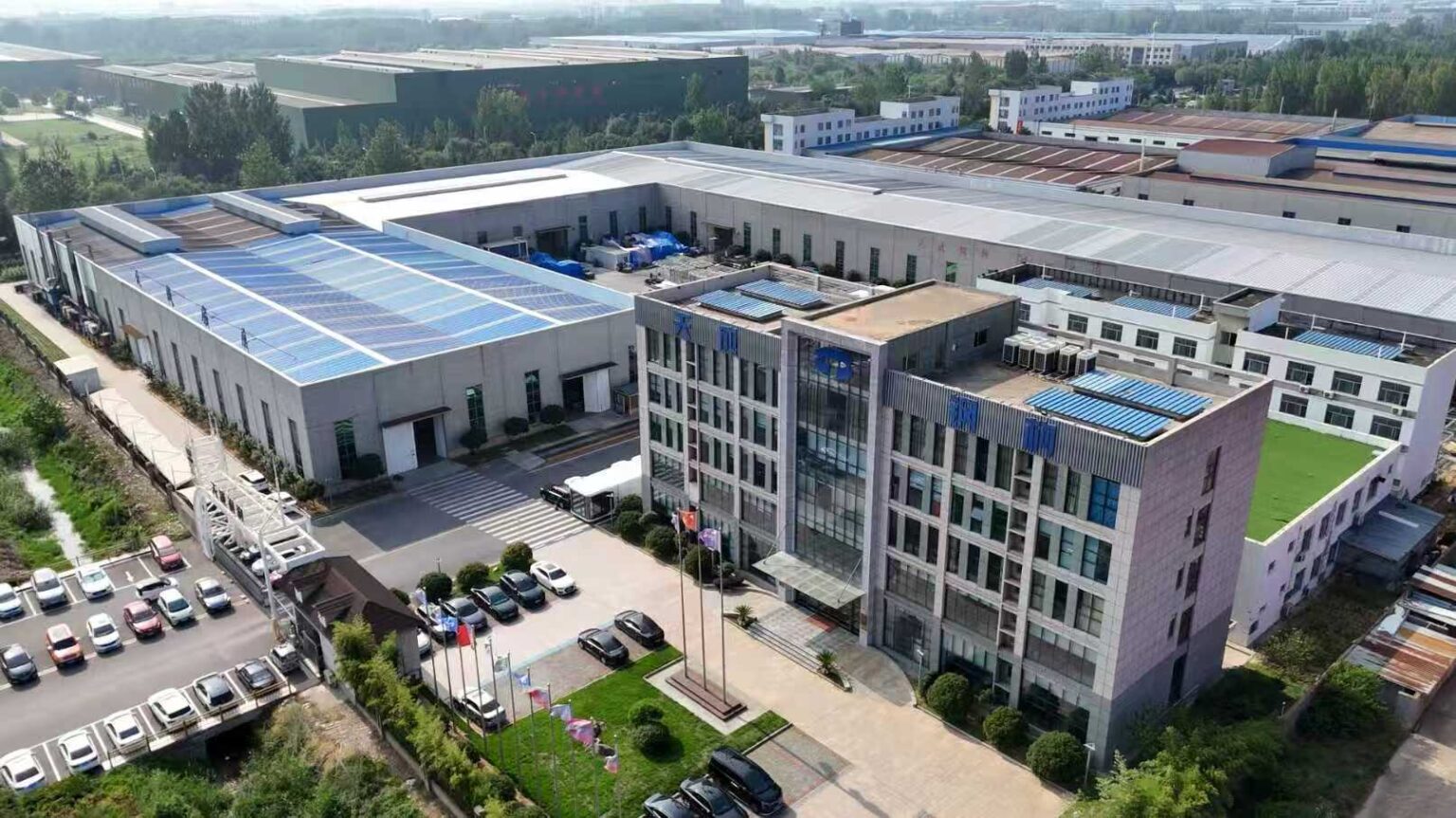
For factory and warehouse projects, buyers often ask who makes the steel. TCGG runs its own fabrication base, so design, steel supply, and quality checks sit under one team. That single chain makes it easier to trace each line back to its source.
Costs That Often Sit Outside the First Quote
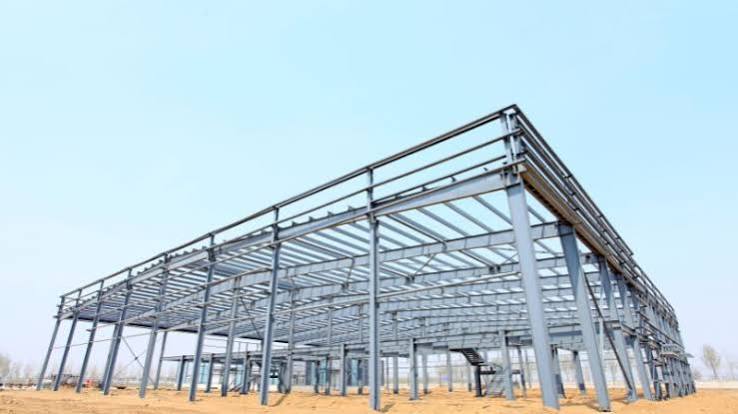
Many buyers learn about extra costs too late. It often happens when they read a steel building quotation breakdown for the first time. The first quote may cover the kit only. Site work, permits, and utilities often sit outside it. These gaps explain why final costs can exceed the first figure.
- Site preparation: clearing, grading, drainage, and compaction before the slab is poured.
- Foundation work: soil tests, excavation, rebar, and anchor bolts for the frame.
- Delivery extras: rural surcharges, wide-load permits, and crane hire for unloading.
- Engineering stamps: state or local stamps that the permit office may require.
- Utility hookups: trenching, electrical service, water, and drainage tie-ins.
- Interior work: lighting, HVAC, plumbing, and office fit-out for staff areas.
- Local fees: permit fees, inspections, and any zoning or HOA rules.
Some quotes use allowances for lines they cannot price yet. An allowance is a budget figure, not a fixed cost. Ask what the allowance covers and what happens if the real cost runs higher. A low allowance can hide a large gap, so treat it as a question, not as a price.
Ask for the Missing Lines in Your Steel Building Quotation Breakdown
Ask for each of these costs in writing. If the supplier does not cover a line, ask who does. A clear answer now saves a surprise later. Also check the quote expiry date, since steel prices can move.
See our guide to steel building cost per square meter in 2026 for a sense of area-based pricing. It shows how size and scope change the per-square-metre figure. Use it to frame questions, not as a fixed price for your project.
How to Compare Steel Building Quotation Breakdowns Side by Side
A steel building quotation breakdown helps only if every supplier quotes the same scope. Never compare totals alone. Two quotes with the same total can cover different work. Line up each item in a simple table of your own, then mark each line as included, excluded, or unclear.
Give each supplier the same drawings, sizes, loads, and finish list. If one quote is far lower, look for the missing line. A low price often means a narrow scope, not a better deal. If you can, learn how the supplier’s steel structure factory handles cutting, welding, and checks.
Check who manages each stage of the work. One supplier may deliver the kit only, while another manages the slab and erection too. A single point of contact can cut delays, but it can also cost more. Weigh that trade-off against your own team and timeline.
- Does the quote include the foundation and slab, or only the steel kit?
- Which design code and wind and snow loads does it use?
- Are doors, windows, and insulation priced as separate lines?
- Who pays for delivery, unloading, and crane hire?
- What is the quote validity period, and what can change it?
- Does the price include stamped drawings for the permit?
Red Flags to Watch For
A steel building quotation breakdown with no detail is a warning sign. So is a quote that expires in a day and pushes you to sign fast. Verbal promises also carry no weight unless they appear in writing. Ask for every promise in the quote itself.
Also check the payment terms. Large deposits before fabrication carry risk, so ask what each payment covers. A clear schedule links each payment to a stage of work. That way, you pay for progress, not for promises.
Want a clear breakdown for your steel building quotation? Send us an inquiry with your project details. Our specialists will reply and help you.