
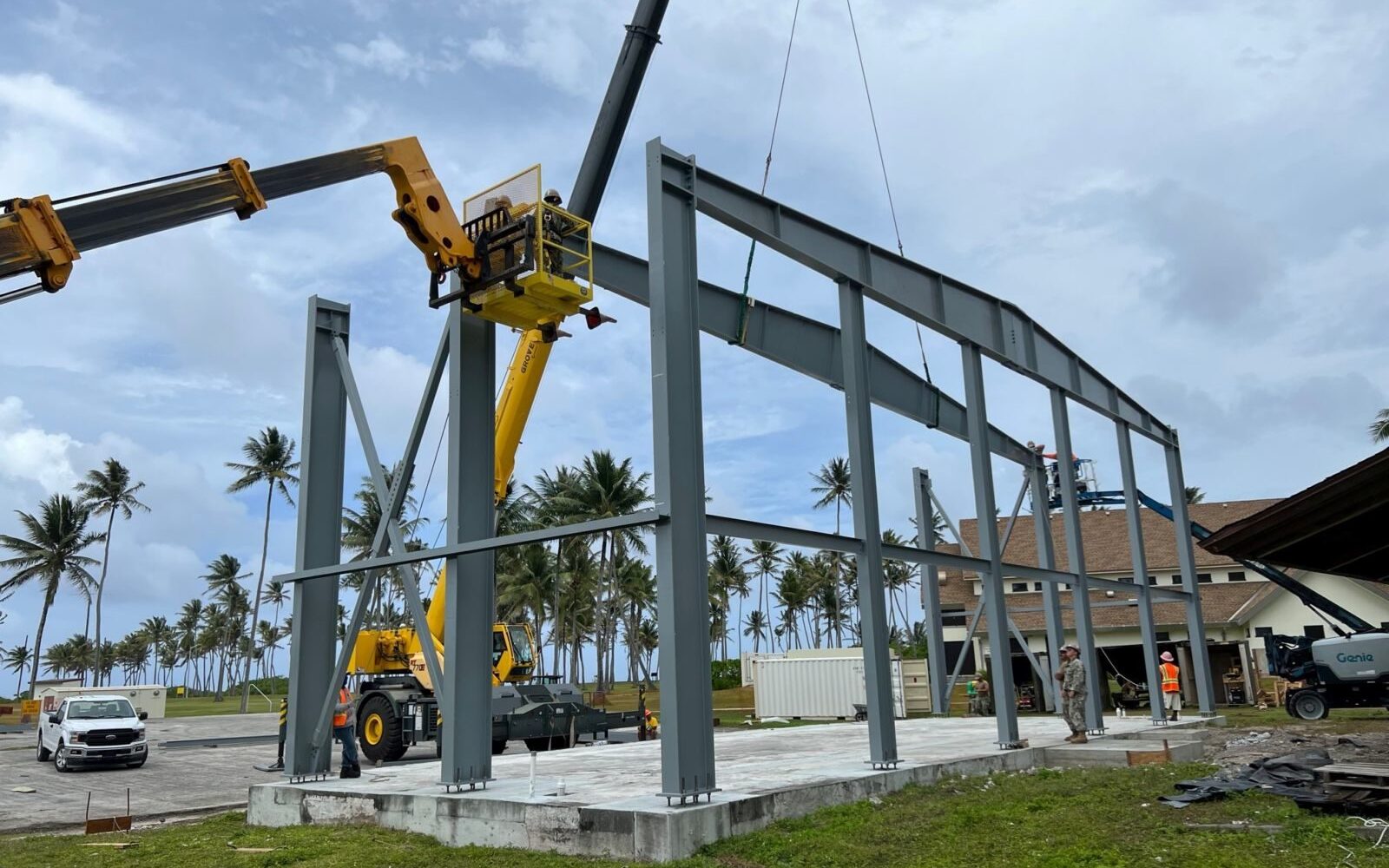
Steel structure export payment terms decide who carries the risk in your order. They set when you pay, and they also set how much you pay at each step. They also set what proof you get before the next payment.
Agree them in writing before you sign the contract. As a result, a clear schedule protects your deposit and keeps the project on track.
This guide explains steel structure export payment terms in plain language. For example, it compares T/T, letter of credit, D/P, and D/A in plain terms. It also shows the schedules buyers use most, and the clauses to put in writing. Use it to check a supplier quote before you pay a deposit.
Payment terms also shape the rest of the order. In practice, they affect cash flow, inspection timing, and shipping documents. So a buyer who agrees terms early can plan each step with confidence. Finally, this article gives you a checklist you can use on your next quote.
What Steel Structure Export Payment Terms Cover
Steel structure export payment terms: the payment method, the payment schedule, and the documents that trigger each payment.
The method is how money moves. Timing comes from the schedule. Proof comes from the documents.
All three parts must match. A good method with a weak schedule still leaves you exposed.
| Method | How it works | Buyer risk | Typical cost |
|---|---|---|---|
| T/T (wire transfer) | Direct bank transfer from buyer to supplier | High without milestones | Low bank fees |
| Letter of credit (L/C) | Bank pays on matching documents | Lower, bank checks documents | 0.5–1.5% of value |
| D/P (documents against payment) | Buyer pays to receive shipping documents | Medium, goods already shipped | Moderate bank fees |
| D/A (documents against acceptance) | Buyer accepts a draft and gets documents | Higher, payment comes later | Moderate bank fees |
These four methods cover most steel structure export payment terms in use today.
T/T (Wire Transfer)
First, T/T is the most common method in steel exports. It is fast, cheap, and easy to use. A wire usually clears in one to three business days.
However, the risk is that a wire cannot be recalled. So the schedule around the wire must do the protecting. Never pay the full amount in advance to a new supplier.
Letter of Credit (L/C)
A letter of credit adds a bank between you and the supplier. In practice, your bank promises to pay when the supplier shows the agreed documents. For example, those documents often include the bill of lading, the commercial invoice, and the packing list.
However, the bank checks papers, not steel quality. So inspection still needs its own clause. L/C suits large first orders, where trust is still new. Check what papers to ask for before you agree the document list.
D/P and D/A
First, with D/P, your bank releases the shipping documents only after you pay. The goods have already shipped, so the risk is lower than with a full advance. With D/A, however, your bank gives you the documents when you accept a time draft.
You pay later, on the draft date. D/A gives the buyer more time, so suppliers use it only with trusted buyers.
Common Payment Schedules for Steel Structure Orders
In practice, most steel structure export quotes use a 30/70 split. First, you pay 30% as a deposit when you sign the contract. Then you pay the other 70% before shipment, often against a copy of the bill of lading.
This split is common because steel cut to your drawings has no second buyer. So the factory needs the deposit to buy material and book a production slot.
| Stage | Common share | Trigger |
|---|---|---|
| Deposit | 30% | Signed contract and proforma invoice |
| Progress payment | 30% | Fabrication started |
| Balance | 30% | Inspection passed, before shipment |
| Retention | 10% | After delivery, if agreed |
Good steel structure export payment terms tie each payment to a check you can see. As a result, a milestone schedule spreads the risk across the build. For example, pay 30% at signing, 30% when fabrication starts, and 30% after inspection passes.
Finally, hold the last 10% until the goods arrive or pass site checks. Each step gives the factory cash flow. It also gives you proof.
Also, when you compare suppliers, ask how each one reports progress at every milestone. TCGG coordinates milestone schedules with buyers around fabrication and inspection stages.
Inspection before the final payment is the most valuable clause in the schedule. For example, a defect found at the factory costs far less than one found at the jobsite. So ask for photos, video, or a third-party report before you release the balance.
Then put the inspection step in the contract, not in an email. Also ask the supplier to name the inspection body in the contract. A named third-party inspector leaves no room for debate. Photos and video help, but a signed report carries more weight.
How to Choose the Right Payment Method
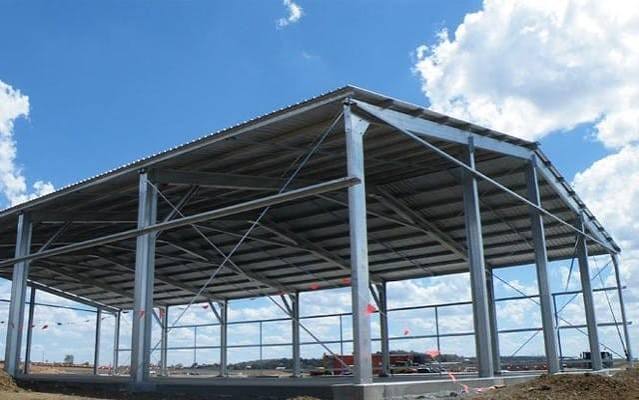
However, there is no single best method for every order. The right steel structure export payment terms depend on order size, trust, and inspection. First orders, however, need more protection.
In contrast, repeat orders with a proven supplier can use simpler terms. So match the method to the risk, not to habit.
First Order With a New Supplier
For a first large order, use a letter of credit at sight. The bank pays only when the documents match. An L/C is the most formal of the steel structure export payment terms.
As a result, this protects both sides while trust is still new. So keep the document list short and clear. A long list, however, raises the chance of a mismatch.
Also confirm the supplier bank details through a second channel before you pay.
Repeat Order With a Proven Supplier
Once trust is proven, T/T with a 30/70 split works well. By then, you already know the quality, the packing, and the documents. Also, the cost is low and the process is fast.
Still tie the balance to inspection or a bill of lading copy. Good history lowers the risk, but it does not remove it.
Large Project Orders
In practice, large projects often mix methods. For example, use an L/C for the main value and T/T for small extras. Then break the order into milestones that match the build plan.
Each milestone needs a clear trigger and a clear proof. As a result, this keeps cash flow steady for the factory and control in your hands.
Payment terms and trade terms, however, work as a pair. For example, the trade term sets who pays freight and insurance, and when risk moves to you. The Incoterms® 2020 rules from the International Chamber of Commerce define 11 trade terms, including FOB and CIF. Check the current rules before you sign, because the term changes what the price covers.
Currency and quote validity also affect payment terms. Steel prices move, so most quotes stay valid for only a few days. Also agree the currency in the contract and check who bears the bank fees.
In export trade, a quote in US dollars is common. Then agree how exchange moves are handled if the quote is in another currency. Before you agree the schedule, check the price basis behind the quote.
What to Put in Writing Before You Order
However, verbal promises do not protect a deposit. So put every payment term in the signed contract and the proforma invoice. Then both sides work from the same page.
The list below, for example, covers the clauses buyers most often miss. First, if this is your first import, read the full import steps before you sign. Clear steel structure export payment terms protect both sides.
Contract Checklist
- Write the steel structure export payment terms into the contract, not only into emails.
- State the currency, the total price, and the validity period of the quote.
- Name each payment stage, its share, its trigger, and its due date.
- List the documents the supplier must show before each payment.
- Name the inspection step and who pays for third-party checks.
- State who bears bank fees on each side of the transfer.
- Set the trade term, such as FOB or CIF, with the named port.
- Agree what happens if drawings change after the deposit is paid.
- Decide in advance how late delivery, damage, or missing documents are handled.
If Terms Change Later
Terms can change after the order starts, but only in writing. For example, a drawing change, a bigger quantity, or a new delivery date can shift the schedule. Then agree the new trigger before the factory acts on the change.
In short, a written addendum beats a long dispute later. Finally, keep every change with the contract file.
Common Questions
Q: What is the safest of the steel structure export payment terms for a first order?
A: For a first order, an irrevocable letter of credit at sight, with inspection before shipment, gives the strongest protection.
Q: Is a 30% deposit normal for steel structure exports?
A: Yes, a 30% deposit is common, and the balance is often due before shipment or against shipping documents.
Q: Can payment terms change after the first order?
A: Yes, many buyers move from L/C to T/T after two or three orders, once delivery is proven.
Red Flags to Watch
First, watch for terms that shift all risk to you. For example, a supplier who asks for 100% payment in advance should raise a question. So should a supplier who refuses a letter of credit on a large first order.
Vague triggers, such as ‘payment on progress’, also deserve a second look. So ask for the trigger in plain words, with a named document or event. In the end, clear terms are a sign of a serious supplier.
Need help with steel structure payment terms? Send us an inquiry with your project details. Our specialists will reply and help you.