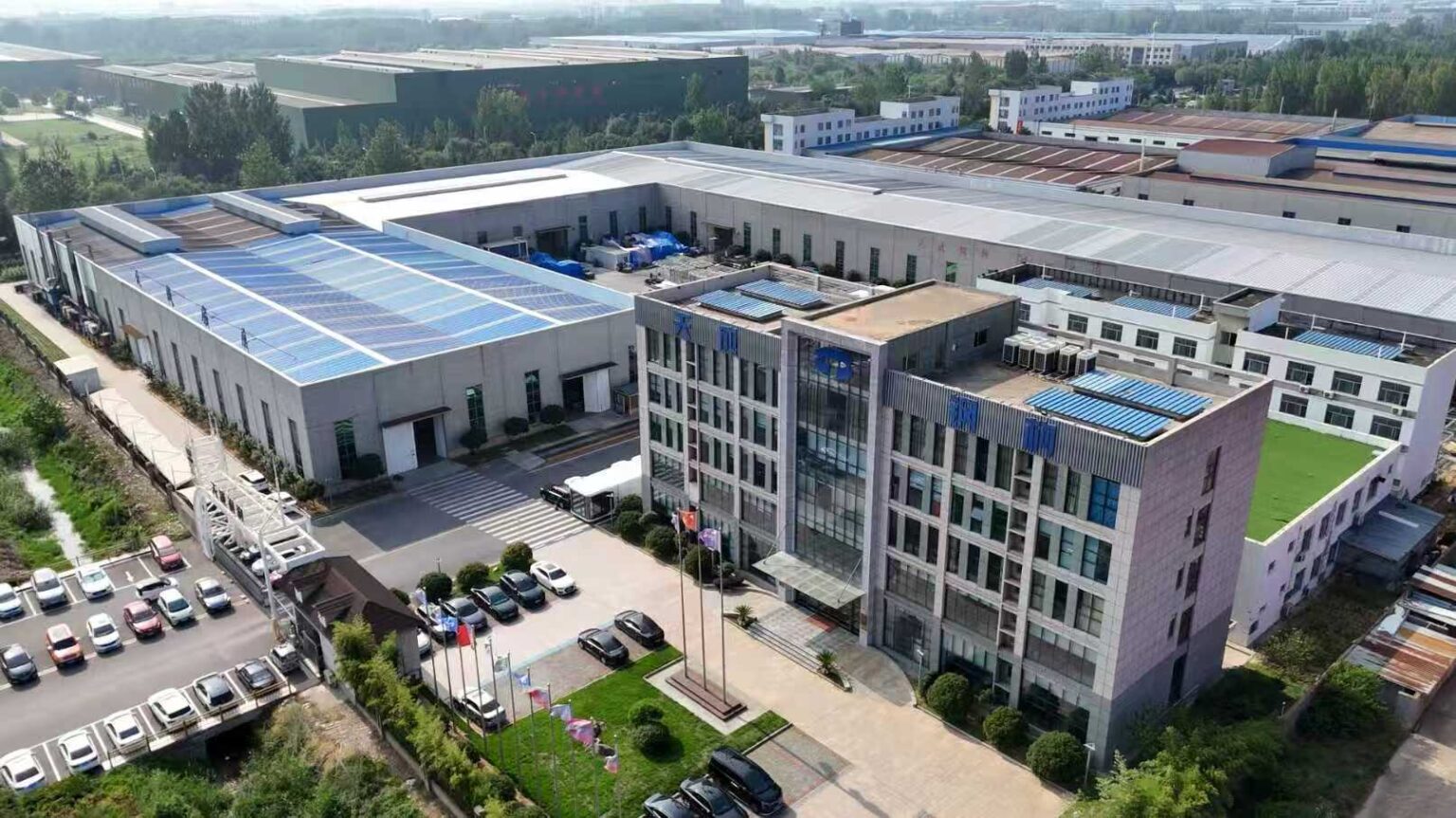
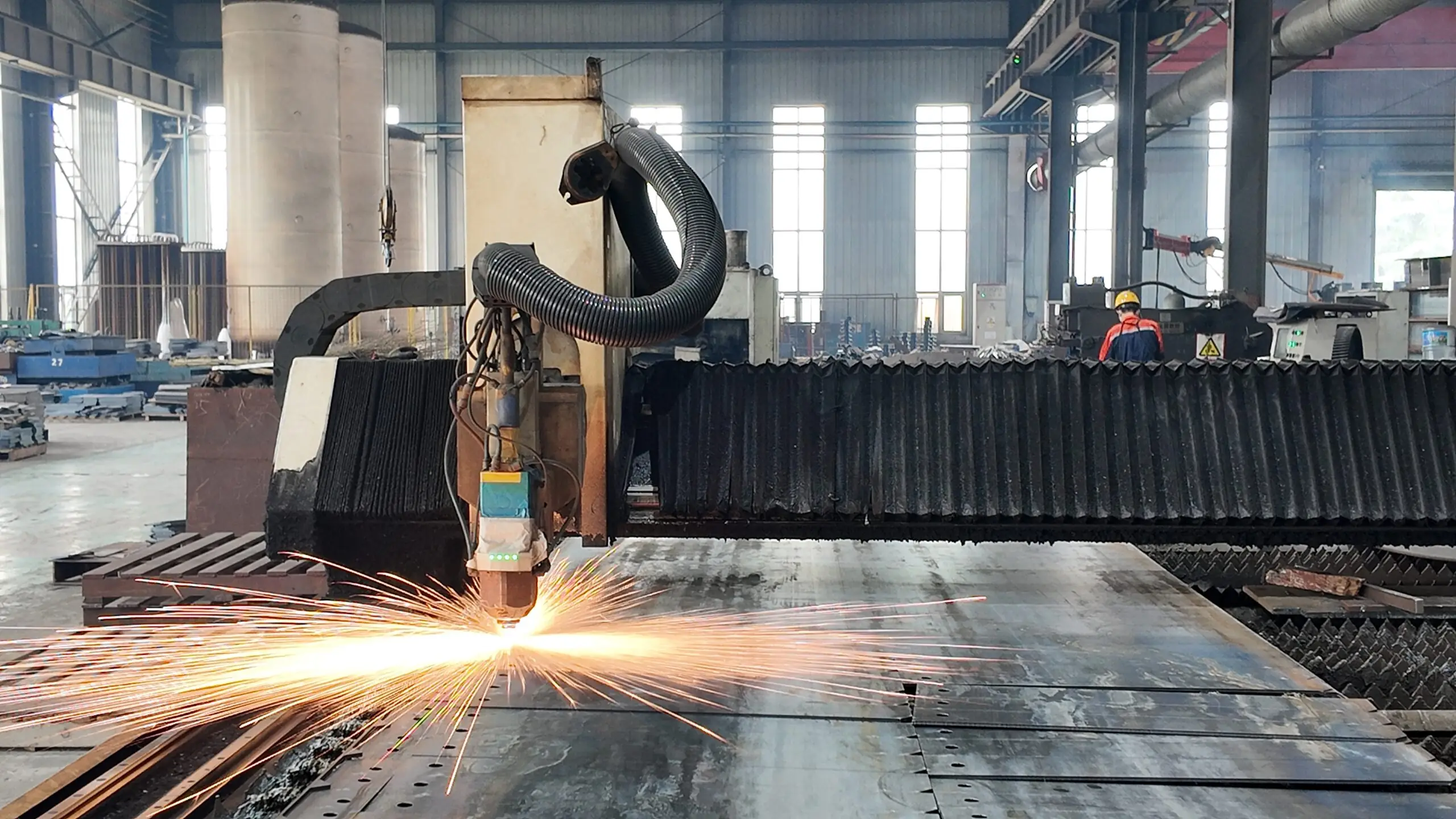
The steel structure fabrication process turns approved shop drawings into numbered steel parts. It covers cutting, drilling, fit-up, welding, inspection, and coating, and each part then ships to site in erection order. This guide explains each step in plain terms and shows the checks that protect quality and schedule.
Buyers often ask where delays and defects start, and in most cases, they start in the shop, not on site. A clear process helps you spot weak points early and compare fabricators on facts, not promises.
This guide walks through the process in order, from shop drawings to site delivery. Each stage includes the check that matters most, so use it as a checklist when you review a fabricator.
What Is the Steel Structure Fabrication Process?
The steel structure fabrication process is the factory work that turns raw steel into a finished frame. Workers cut plates and sections to size, then drill bolt holes and prepare weld edges. Then they assemble parts, weld joints, and check each member before they clean the steel and apply a protective coating.
Fabrication differs from design and from erection, while design sets loads, member sizes, and connection types. Erection bolts and welds parts together on site, and fabrication sits between the two stages. It makes the design buildable and the erection smooth.
Most projects use this process for factories, warehouses, and workshops. The same steps serve hangars, logistics hubs, and plant buildings. For a factory frame, member sizes follow the steel factory building specifications agreed with the design team. Clear specs at this stage prevent rework later and keep cost and time under control.
Steel grade and section size come from the design, so the spec names the exact grade for each part. Common grades include S355 or Q355 steel. The shop orders steel to that grade and keeps the mill certificate for each batch. A certificate proves the chemistry and strength of the steel. Without it, the team cannot trace the material. Every steel structure fabrication process starts with the grade named in the spec.
The Steel Structure Fabrication Process Step by Step
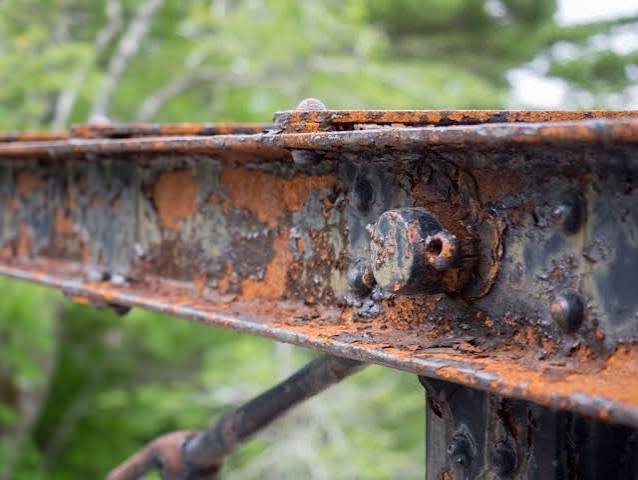
The steel structure fabrication process follows a fixed order, and each step feeds the next one. A mistake early in the chain costs more later. So smart buyers check progress step by step, not only at the end.
- Review and approve the shop drawings with the design team, then order steel and check mill certificates on arrival.
- Cut plates and sections to size with CNC tools, then drill bolt holes and prepare edges for welding.
- Assemble parts in jigs and check fit-up, then weld joints to the approved welding procedure.
- Inspect dimensions and test welds as specified, then blast, coat, mark, and ship parts in erection order.
Shop Drawings and Detailing
Nothing gets cut until the shop drawings win approval, and detailers turn design drawings into a 3D model. The model shows every member, plate, hole, and bolt, and each part gets a unique piece mark. That mark follows the part from cutting to site.
Good detailing prevents most site problems and fixes clash points before steel leaves the shop. Detailers also set the exact weld symbols and bolt lists, so ask to see a sample drawing before production starts. A clear drawing set signals a careful shop.
Ask how the shop handles clashes with other trades, since ducts, pipes, and cable trays often share space with steel. Early clash checks save cutting and rework later.
Cutting and Drilling
Saws cut beams and columns to length. CNC plasma or flame tools cut plates for base plates, gussets, and stiffeners. Workers then drill bolt holes to the drawing positions, and hole size and edge distance follow the design code. Wrong holes cause slow and costly site fixes.
Edge preparation matters just as much, since weld joints need clean bevels and the right gap. A rough edge can hide a weak weld. So the shop grinds or machines edges where the welding procedure calls for it. Then it marks each cut part with its piece mark.
Base plates need anchor bolt holes that match the foundation layout. The team checks hole positions against the steel factory equipment foundations interface before drilling.
Fit-Up and Welding
Workers place cut parts in jigs and fixtures, which hold camber, squareness, and overall shape. Tack welds lock parts in place for a final check, and the team checks gaps and alignment against the drawings. Only then does full welding start.
Welders follow a written welding procedure specification, which sets heat input, pass order, and joint prep. Common methods include manual arc, gas metal arc, and submerged arc welding. The right method depends on joint type and plate thickness. For heavy built-up sections, shops often use automated submerged arc welding.
Heat from welding can bend a member, so shops straighten parts after welding and recheck dimensions. They also grind weld toes where the spec calls for a smooth profile. Clean welds and straight members speed up erection. They also reduce the need for site rework.
Inspection, Coating, and Delivery
Dimensional checks come first, and workers measure length, straightness, twist, and hole positions. They compare each result with the drawing tolerance. Critical welds get non-destructive testing, for example ultrasonic or magnetic particle testing. The test scope follows the project spec, so ask what it covers.
Next, the shop prepares the surface, and shot blasting removes mill scale and rust. It leaves a clean anchor profile for paint, and workers then apply primer and topcoat to the specified system. Hot-dip galvanizing suits some projects instead of paint, so your spec should name the system and the coating thickness.
Finally, the shop marks and packs each member. Piece marks match the erection sequence, so the site crew finds each part fast. Members ship in batches that match the build order, which matters most on tight sites, where storage space is scarce. Good planning of steel factory internal logistics keeps laydown areas clear and cranes moving.
Quality Checks That Protect Your Project
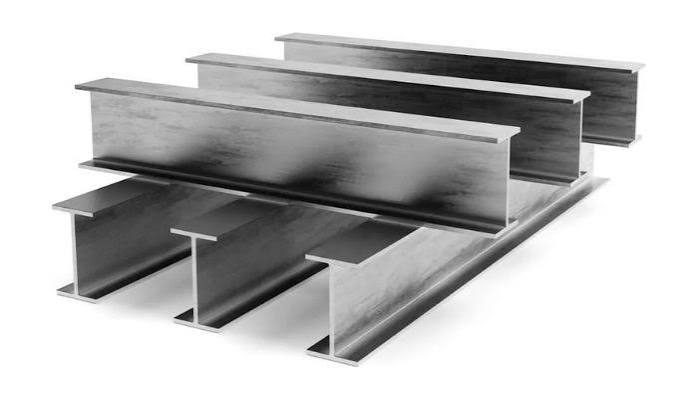
Quality checks run through the whole steel structure fabrication process and do not wait for the final inspection. Each check catches errors while fixes stay cheap, and this section lists the checks that matter most.
| Check | What It Covers | When It Happens |
|---|---|---|
| Material check | Mill certificates and steel grade | On arrival |
| Dimensional check | Length, holes, and twist | After welding |
| Weld inspection | Visual checks and weld testing | After welding |
| Coating check | Surface prep and paint thickness | Before packing |
A clear steel structure fabrication process makes each check easy to verify. For example, TCGG links each piece mark to its mill certificate, so the site team can trace any part fast.
Third-party certification adds another layer of trust, since AISC runs a certification program for fabricators. Its audits cover the full quality system from goals to delivery. You can check the program details on the AISC certified fabricators page before you shortlist a shop.
Ask the fabricator for records, not claims. Mill certificates, weld logs, and coating reports should match the piece marks. If a shop cannot show these records, treat that as a warning sign. Good records also speed up handover and future maintenance.
Coating checks deserve the same care, and workers measure dry film thickness at several points on each member. Thin spots need a further coat before packing. A weak coating fails early, and site touch-ups cost far more than shop rework.
Plan inspection visits at set points, since a visit after welding catches most issues before coating hides them. A second visit at packing confirms marks and coating, and two short visits beat one long dispute after delivery.
Common Mistakes in the Steel Structure Fabrication Process
Most fabrication problems repeat the same few patterns and rarely come from one big error. Instead, small gaps in drawings, checks, or packing add up, and the list below covers the most common ones.
- Late drawing changes reach the shop after cutting starts, and missing weld symbols force welders to guess joint details.
- No piece marks, so the site crew cannot find parts in order.
- Thin coating on edges and bolt holes, where rust starts first.
Each mistake has a simple fix, so freeze drawings before cutting and route changes through one channel. Check weld symbols on every drawing before release, then mark every part and protect edges during packing. These habits cost little, yet they save days on site.
Packing errors cause damage in transit, so members need edge guards and timber spacers where steel touches steel. Loose parts should travel in marked crates, not in open bundles. A short packing list with piece marks helps the site crew check the load on arrival.
What to Ask Before You Order
Use these questions to compare fabricators on equal terms, since the answers reveal how a shop controls quality and time. They also show how the shop handles change.
Can you share a sample shop drawing and a weld log? A good shop says yes at once, since the sample shows detail quality and the log shows weld control.
How do you handle a drawing change after cutting starts? Look for one clear channel and a written record. Late changes need a cost and time note before work resumes.
How will you pack and ship parts in erection order? The answer should name batch sizes and the loading plan. If heavy equipment must pass through the frame, confirm the steel factory process equipment access openings before fabrication starts.
A clear steel structure fabrication process also makes quotes easier to compare, so agree the delivery plan in writing. For a large frame, staged delivery keeps the site workable while later batches stay in the shop. The plan should match the steel factory phased construction sequence agreed with the main contractor.
Need help with steel structure fabrication? Send us an inquiry with your project details. Our specialists will reply and help you.