
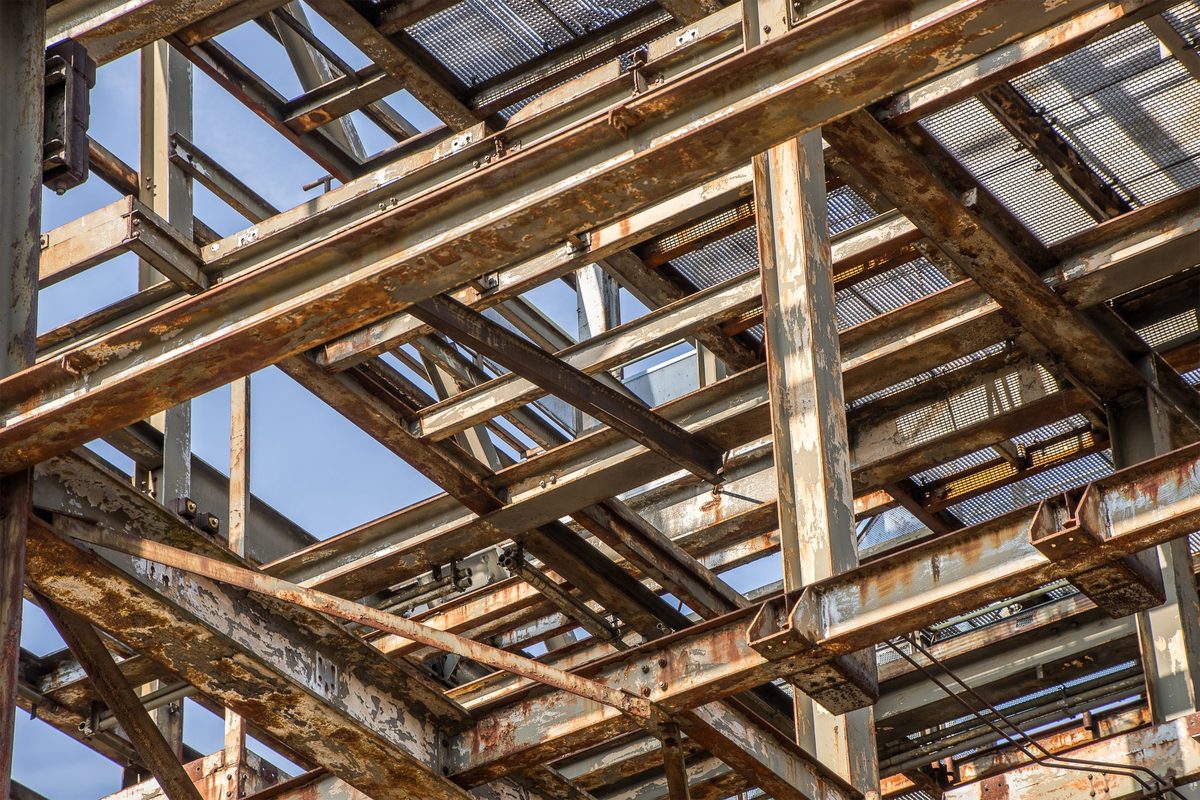
An overhead crane steel building is a steel frame built to carry a moving bridge crane. The crane runs on rails, and the rails sit on runway beams. Those beams pass the crane loads into the columns and foundations. This guide explains runway beams, loads, and clearance in plain terms.
Read it before you fix the span, the eave height, or the crane size. Early choices lock in steel weight, cost, and headroom. Late changes cost far more than early checks. So start with the crane data, then size the overhead crane steel building around it.
This guide covers four points. First, how the crane and the runway work. Second, what the runway beam must carry. Third, how loads and clearance set the height. Fourth, the checks that stop late rework.
How an Overhead Crane Steel Building Works
A bridge crane spans the full width of a steel building bay. It rolls along two rails, one on each side. A trolley crosses the bridge, and a hoist lifts the load. The operator moves the load in three directions at once.
The runway beam is the key part. It carries the crane wheels and spreads each wheel load to the columns. The rail sits on top of the beam, and clips hold the rail in place. The beam must stay straight and level, or the crane will bind.
Top-Running and Underhung Cranes
Most heavy cranes are top-running. The bridge sits on rails above the runway beams, so it uses the full bay width. It also gives the most hook height for a given eave height. That is why shops with heavy lifts pick this type first.
Underhung cranes hang below the runway. The bridge runs on the bottom flange of the runway beam. They suit light loads and small shops. But the roof frame must carry the crane, so your engineer should check the extra load.
A monorail is a third option. One beam serves as both runway and track. A hoist runs along the beam in a straight line. It fits simple paths, but it cannot cover a full bay.
The rail and its clips deserve care too. The rail spreads the wheel load along the beam. Clips hold the rail yet let it move with heat. Welds can crack the rail, so clips are the normal fix.
Span sets the bridge length. The span is the gap between the two rails. A wide span needs a strong bridge and tall columns. So fix the span from the work area, not from a guess.
Your crane type shapes the whole overhead crane steel building. It sets the frame depth, the column size, and the footing load. It also sets the clear height you need inside. So choose the crane type before you freeze the building size.
Crane Runway Beam Design: What the Beam Must Carry
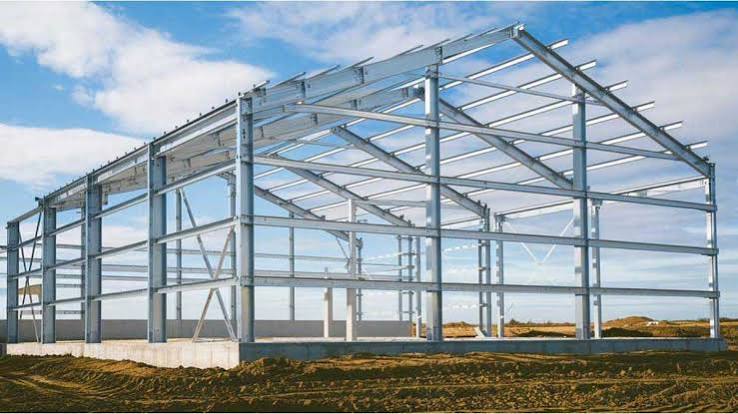
Crane runway beam design starts with the wheel loads. The crane supplier gives a data sheet with the worst wheel loads. Your engineer works from that sheet, not from a guess. Ask for it before the frame design starts.
Each wheel puts a moving point load on the beam. The load peaks as the wheel passes mid-span. It then falls as the wheel moves on. So the beam sees a rolling load, not a fixed one.
The beam must pass four checks. First, it must carry the vertical wheel load with room to spare. Second, it must take the side push from the crane. Third, it must take the brake force along the runway. Fourth, it must limit sag so the crane runs smooth.
| Load | What it does |
|---|---|
| Vertical wheel load | Weight of crane, trolley, and lifted load. |
| Lateral surge | Side push when the trolley brakes or sways. |
| Longitudinal braking | Push along the runway when the crane stops. |
| Impact | Short shock as the load lifts or sets down. |
Impact matters because a lift is not a still load. Codes often add a factor to the static wheel load for moving cranes. The exact factor depends on the crane class and the local code. Your engineer should confirm the value for your project.
Duty class also shapes the design. The Crane Manufacturers Association of America (CMAA) groups cranes by how often and how hard they work. A crane that lifts all day needs a tougher beam than one that lifts once a week. So share the duty class with your engineer early.
Deflection often controls the beam size. A beam can be strong yet still sag too much. Too much sag wears the wheels and rails fast. It also makes the crane hard to drive.
Fatigue is the slow risk. Every wheel pass adds one load cycle to the beam. A busy crane can add thousands of cycles in a year. So welds and joints need a fatigue check, not just a strength check.
Beam shape follows the load and the span. A rolled beam suits short spans and light cranes. A welded beam suits long spans and heavy cranes. Your engineer should weigh steel weight, depth, and cost for each overhead crane steel building.
The beam needs solid support at each column. A bracket or corbel can carry light cranes. A stepped column suits heavy cranes, since the beam sits right on the lower step. Your engineer picks the support to match the wheel load. The beam works with the portal frame, so the two must suit each other.
Bracing carries the side loads to the ground. The runway needs a braced bay to take the surge. End stops halt the crane at the runway ends. They must take a hit without harm to the frame.
Overhead Crane Building Loads and Clearance
An overhead crane steel building must take crane loads as well as wind, snow, and quake loads. No load acts alone. Your engineer checks the worst mix of loads for your site. The mix depends on the local code and the crane class.
Work Back from the Hook Height
Do not pick the eave height first. Start with the hook height you need. Then add the crane depth above the hook. Then add room for lights, pipes, and the roof steel. The sum sets the eave height.
Good crane clearance steel building design leaves room for the crane to move free. Check the side gap to columns and walls. Then check the top gap to the roof steel and lights. Also check the end gap to the wall and the end stops. A tight gap will slow the crane or cause a hit.
Ask the crane supplier for a clearance drawing. It shows each gap in numbers. Share it with the steel designer before the frame is set. A late fix to the eave height can force a full redesign.
Plan for growth too. A larger crane later may need a taller bay. A second crane may need a stronger runway. If growth is likely, say so at the start. It costs less to plan now than to rebuild later. The same care fits a warehouse that adds a crane later.
Foundations take all the loads at last. Crane loads push down and sideways on the footings. Big wheel loads may need wider footings or piles. Your engineer should check the soil data before the footing size is set.
The crane also changes the roof frame of an overhead crane steel building. With more load on them, the columns need a deeper frame. The roof must still shed rain and take wind. So the crane loads join the frame check from the start.
Power and access need early thought. A crane needs a power feed along the runway. That feed must stay clear of the hook path. The crane also needs a safe path for upkeep. Plan both before the steel is set.
Common Mistakes and Checks Before You Build
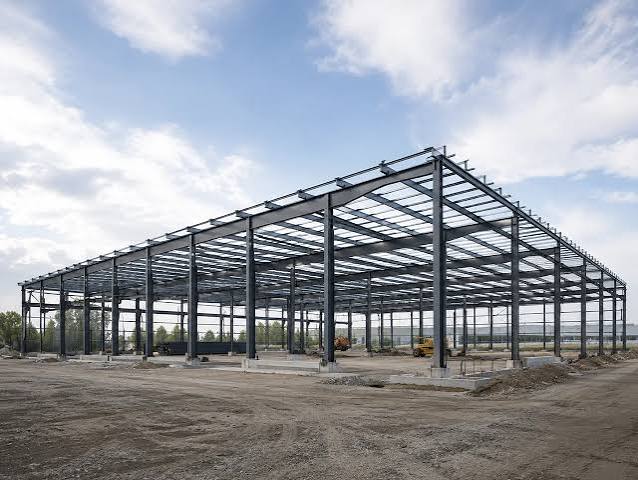
Most crane building faults start with missing data. The crane size, the duty class, or the wheel loads arrive too late. Then the frame must change after the design is set. A short data list at the start can stop most of this waste.
- Get the crane data sheet with wheel loads, span, and duty class.
- Confirm the hook height and the clearance gaps with the supplier.
- Ask your engineer to check the load mix for your site code.
- Check the runway beam sag limit before you pick the section.
- Set the rail type and clips to match the wheel load.
- Survey the runway level after the beams are set.
- Plan the power feed and the crane access path early.
- Keep the crane, steel, and footing designs in one review.
Your fabricator should review the crane data sheet with your team before the frame is detailed. TCGG works from the same project data when it details the frame and runway supports. That shared review keeps the crane, the frame, and the runway in step. Write the agreed loads and gaps into the project specifications.
Good industrial crane building design is a team task. The owner, the crane supplier, and the steel designer each hold one part of the data. Bring them together before the frame is drawn. That one meeting can save weeks of rework.
A crane in an old overhead crane steel building needs extra care. The old frame may not take the new wheel loads. A full check should come before any crane order. If the frame falls short, a free-standing runway may be the fix.
Keep the paper trail in one file. Hold the crane data sheet, the clearance drawing, and the load notes side by side. If a load changes, pass the new value to all three teams. That one habit stops most late clashes.
Need help planning an overhead crane steel building? Send us an inquiry with your project details. Our specialists will reply and help you.