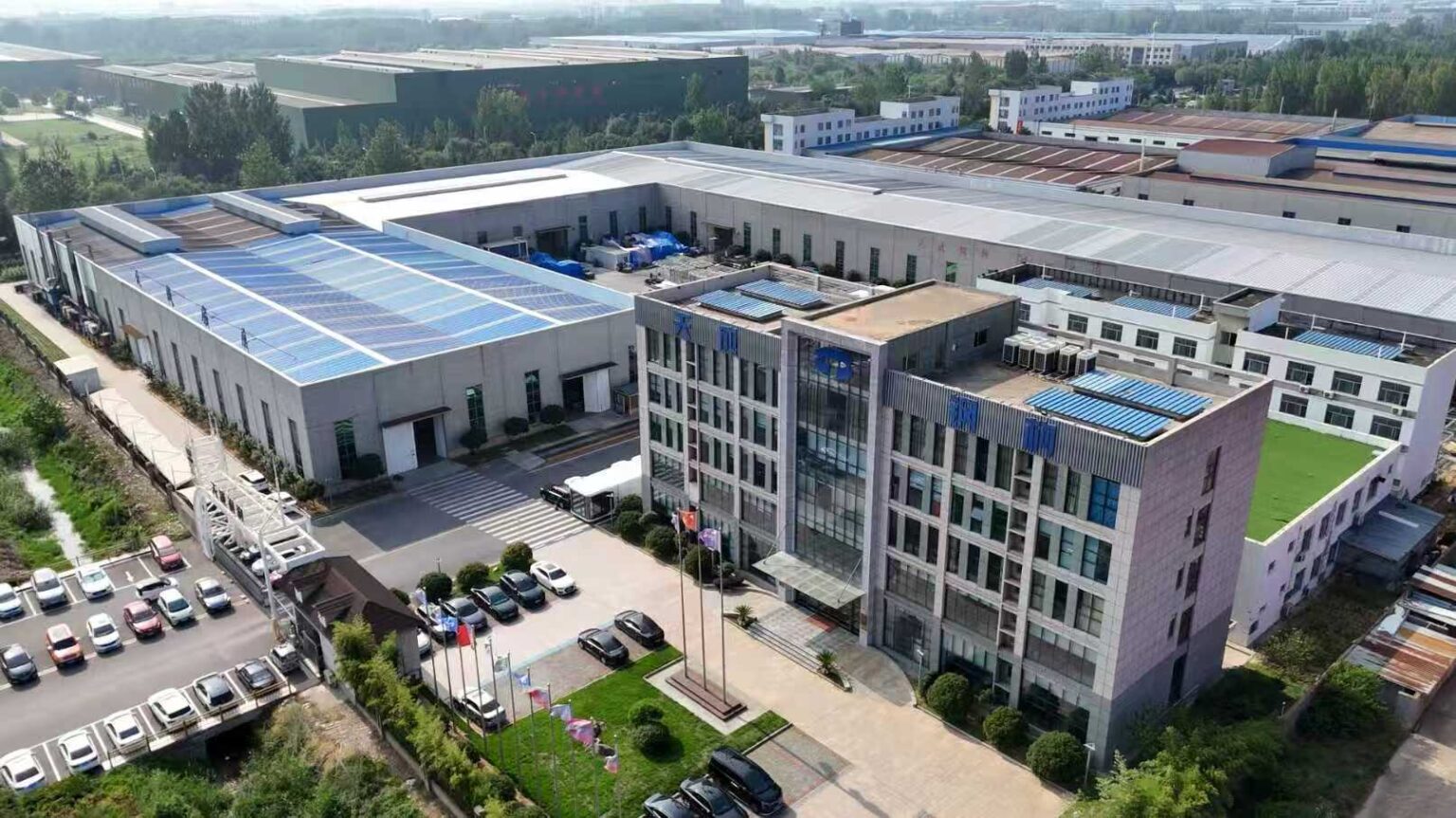
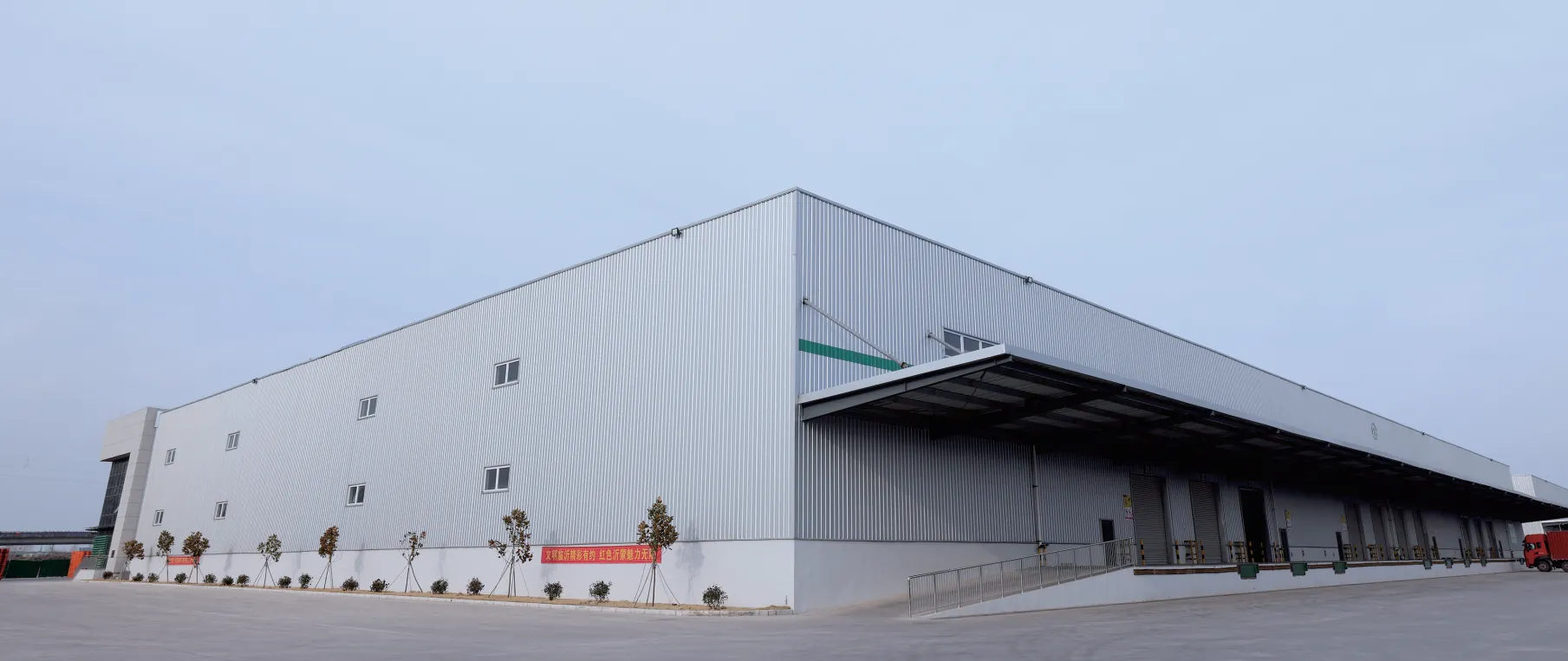
A steel structure for water treatment plant projects is not one big building. It is a set of steel parts that serve the concrete tanks. Tank covers, walkways, pipe bridges, and small equipment rooms make up most of the steel scope.
Concrete holds the water. Steel spans the gaps, carries the loads, and gives operators safe access. A steel structure for water treatment plant design starts with the tanks, not the roof.
Steel structure: a frame of columns, beams, and bracing that carries loads and supports equipment and enclosures.
This guide explains what to specify, and what to check, before you order. It covers humidity, corrosion zones, equipment loads, and clear spans. It also gives a short checklist you can use with your design team. The aim is simple: steel that stays sound for its full design life.
Demand for new and upgraded plants stays strong. The EPA counted 17,544 publicly owned treatment works in its 2022 survey. It put clean-water needs at $630.1 billion over 20 years. That work includes many steel enclosures, covers, and access structures.
Where Steel Fits in a Water Treatment Plant
Most treatment plants are built around concrete tanks. Concrete resists water, holds mass, and lasts for decades with little care. Steel earns its place where concrete cannot serve the job. That means span, access, speed, and the option to remove a part later.
| Steel item | What it does | What drives the design |
|---|---|---|
| Fixed tank cover | Keeps rain and debris out of the tank | Clear span, gas exposure, access hatches |
| Removable cover panels | Give access to mixers and sensors | Panel weight, lifting method, joint sealing |
| Pipe bridge and walkway | Links tanks and carries pipes | Pipe loads, live load, deflection limits |
| Equipment rooms | House blowers, dosing units, and controls | Ventilation, chemical vapour, door sizes |
| Platforms and stairs | Give safe access to high equipment | Grating type, fall protection, wet exposure |
A steel structure for water treatment plant work is often a package, not a single hall. Buyers ask for covers, walkways, stairs, and two or three small rooms. These parts must fit an existing concrete layout. That is why early checks of the plant layout matter more than a low unit price.
Frame sizes follow the span and the load, not a standard catalogue size. So check the steel factory building specifications for your frame type before you fix the grid. The supply scope should list every steel item, with its finish and its fixing detail. A clear list avoids gaps between the steel package and the concrete works.
Tank covers deserve a close look at the design stage. Operators cross it daily, so it must carry foot traffic and small tools.
Hatches must open wide enough for mixers and sensors. Seals must hold odour in, and panels must lift out for cleaning. A cover that ignores these needs will cost more in rework than it saved in steel.
Humidity and Corrosion: What Decides the Coating
Humidity is the first force to plan for. Process buildings run wet for most of the day. Warm, moist air moves toward cooler steel and condenses on it. A surface that never dries gives corrosion time to work.
That is why coating choice starts with exposure, not with price. A steel structure for water treatment plant rooms faces wet air all day. So map the exposure first, and let the coating follow the map.
Map the Corrosion Zones First
One plant holds several corrosion zones. A headworks room and an office face very different conditions. One coating spec for the whole site is a common error. It overspends in mild zones and underprotects in harsh zones.
| Zone | Exposure | What to specify |
|---|---|---|
| Dry offices and stores | Low humidity, no process gas | Standard primer and topcoat |
| Blower and pump rooms | High humidity, warm air | Galvanized steel, sealed joints |
| Chemical dosing rooms | Chemical vapour and spills | Chemical-resistant coating, stainless fixings |
| Tank headspace and covers | Hydrogen sulphide, constant wetting | Heavy-duty coating, sealed laps, drainage |
Hydrogen sulphide is the gas buyers name first. Condensation decides how long steel stays wet each day. Both matter, and both need a design answer.
Fastener heads, panel laps, and base angles fail first. Moisture sits longest there, and coating is thinnest there. Check those details before you check the main frames.
International practice sorts exposure into corrosivity classes, and ISO 12944 is the usual language for this. The class comes from site conditions, so a supplier should ask about ventilation and condensate before it assigns one. A steel structure for water treatment plant enclosures needs details that teams can check and recoat. Hidden joints corrode first, so keep them visible or sealed.
Coating Choices for a Steel Structure for Water Treatment Plant
- Use hot-dip galvanizing for steel that stays wet.
- Seal panel laps so moist air cannot reach the steel face.
- Choose stainless fasteners where chemical vapour is present.
- Add drip details so water cannot run back onto steel.
- Leave access for inspection and recoating at joints.
Ventilation is part of the coating system, not an extra. Fresh air lowers humidity and clears corrosive gas from the room. So size fans and vents with the process team, not after the steel is ordered.
A dry room protects the coating, and the coating protects the steel. Check air paths at the design stage, since a sealed room with no air change will stay wet.
Equipment Loads, Clear Spans, and Access

Treatment equipment is heavy, and it vibrates. Pumps, blowers, and filter units need frames that hold their full working load. Add the weight of pipes, water, and cable trays to the same check. A frame sized for the empty tank will fail the working plant.
So a steel structure for water treatment plant design must list water weight with steel weight. Dry weight alone hides the real load on beams and columns.
Plan Loads Before You Plan Spans
Clear span decides how much room operators have below. A wide span keeps the floor open for tanks and pipe runs. It also raises the frame size and the cost. Balance span, height, and access before you fix the grid.
- List every pump, blower, and tank that the frame must carry.
- Add pipe, water, and cable tray loads to the same list.
- Allow for cranes, hoists, and future equipment swaps.
- Check deflection limits, since pipes and seals dislike movement.
- Keep walkways clear of valves that need daily access.
Access steel needs the same care as the main frame of a steel structure for water treatment plant project. Stairs, platforms, and guardrails serve operators every day. Grating must drain fast and grip wet boots.
Handrails must stand firm at tank edges and stair openings. Check grating type and rail height with the safety team before you order. Good access cuts risk, and it speeds up daily checks.
Plan delivery in the same way as design. Steel parts should arrive in install order, marked and numbered. That cuts site time and avoids rework on a live plant.
Ask how the supplier packs and sequences export delivery when the plant sits overseas. Clear marks on each part help the site team most.
Plants grow, so leave room for the next upgrade. Removable panels and spare bays let operators add a pump or a filter later. A steel structure for water treatment plant projects should allow that growth without a rebuild.
Talk about future loads with the design team at the start. A small reserve in the frame now costs less than a new frame later.
A Practical Checklist Before You Specify
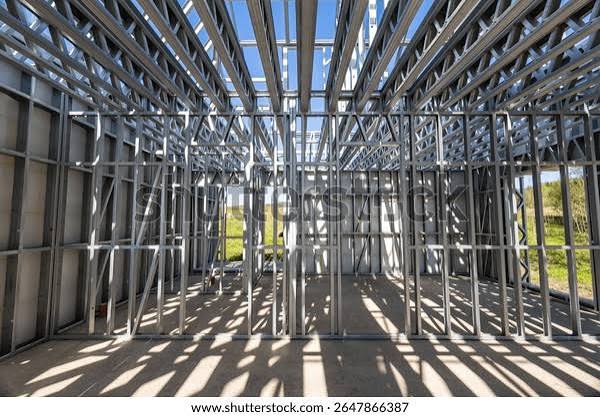
For a full package, TCGG supplies steel frames, covers, and walkways to project drawings, with parts marked in install order. That single package keeps covers, access steel, and equipment rooms under one scope. It also gives the site team one point of contact for the steel works.
Q: Do I need a full steel building for a water treatment plant?
A: In most cases, no. You need covers, walkways, and small equipment rooms that fit the concrete layout.
Q: What harms steel fastest on a water plant?
A: Constant wetting plus corrosive gas. Condensation keeps steel wet, and hydrogen sulphide attacks the coating.
Q: How do I choose a coating system?
A: Map the corrosion zone for each steel item first. Then match the coating to that zone, not to the whole site.
- Confirm the corrosion zone for each room and each cover.
- List all equipment loads, with pipe and water weight.
- Check clear spans against operator access needs.
- Ask for coating, fastener, and joint details in writing.
- Plan delivery and install order before the first shipment.
Ask the supplier for drawings, coating details, and load checks before you sign. Your steel structure for water treatment plant package needs that list in writing. Compare offers on that list, not on price alone. A low-priced frame often hides the thinnest coating.
Ask for the coating class, the fastener type, and the weld standard in the same document. If a detail is missing, ask for it now. A gap found on site costs far more than a gap found on paper.
Need help with a steel structure for water treatment plant design? Send us an inquiry with your project details. Our specialists will reply and help you.