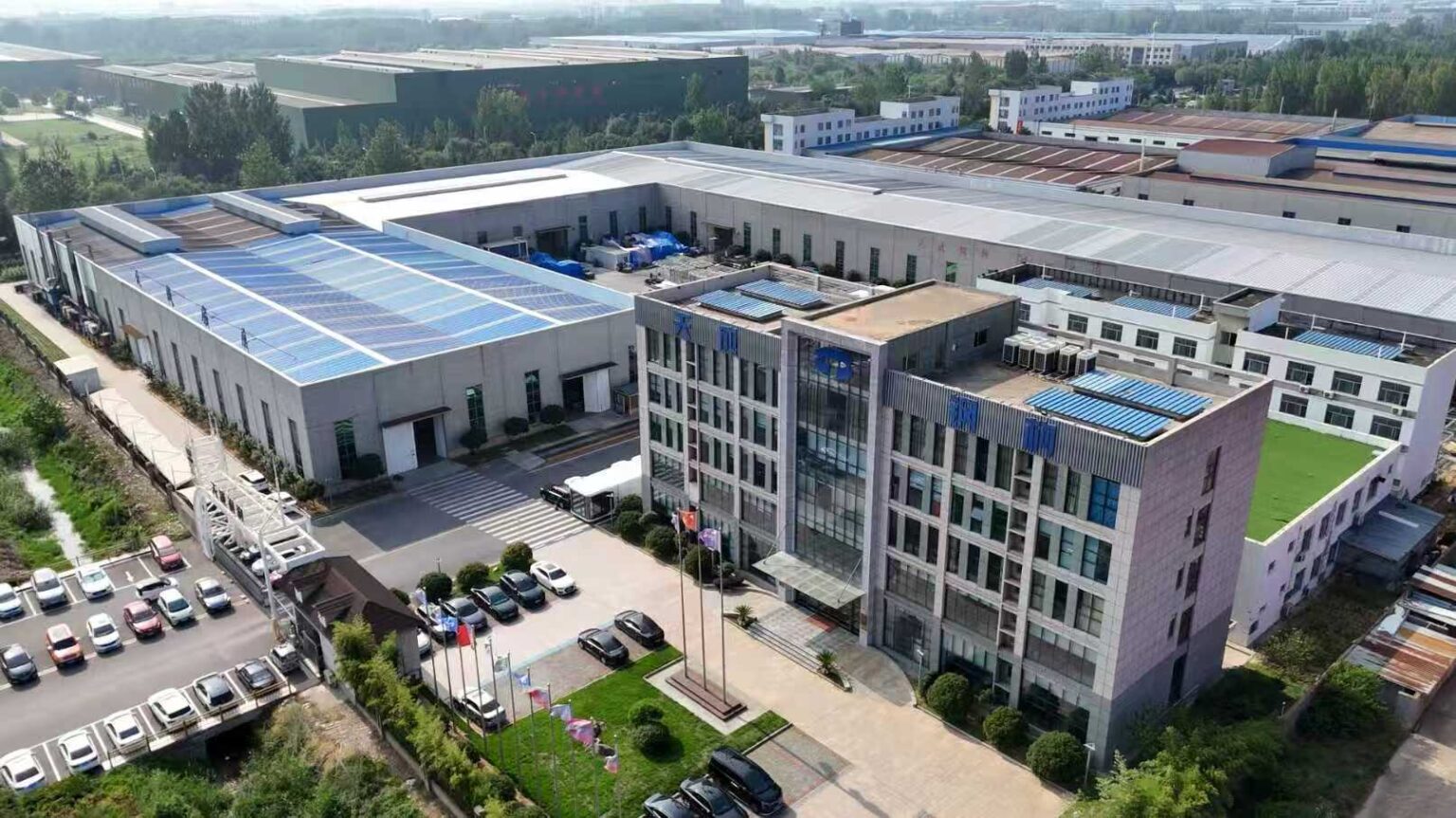
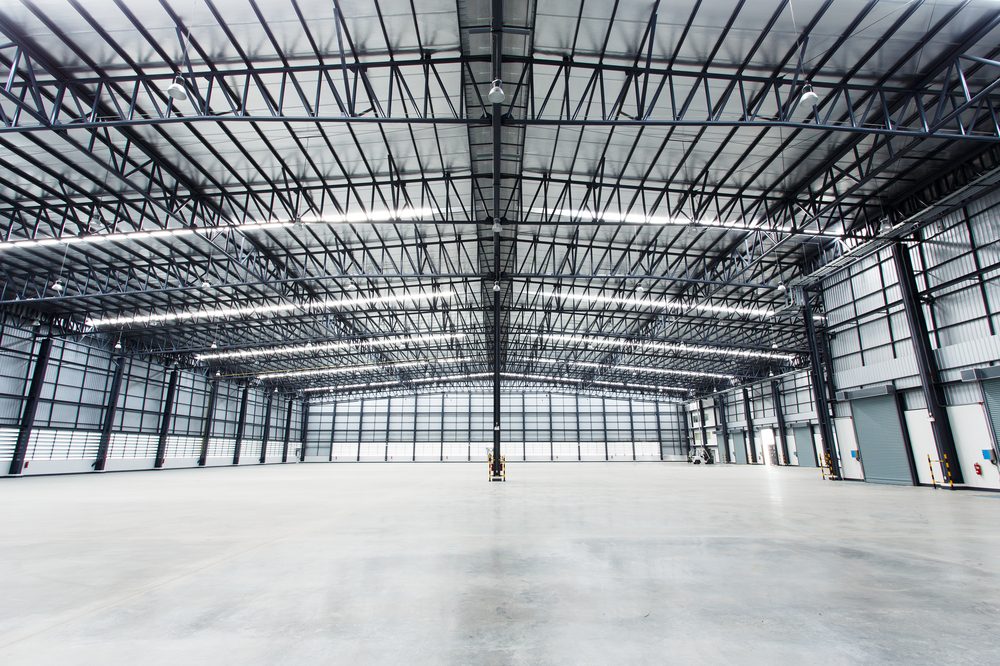
A steel structure for paper mill projects is not one big shed. It is a set of steel parts built around the paper machine. The machine hall, the stock preparation area, and the reel store each need a different frame.
Paper making is wet, hot, and heavy. Steam fills the machine hall for most of the day. Cranes lift dryer rolls that weigh many tonnes. So the steel must cope with humidity, vibration, and large clear spans at the same time.
Steel structure for paper mill: a steel frame that carries the paper machine and cranes. It also supports process loads inside a hot, humid mill hall.
This guide explains what to specify, and what to check, before you order. It covers humidity, corrosion zones, machine loads, and layout. It also gives a short checklist you can use with your design team. The aim is simple: steel that stays sound for its full design life.
Paper mills run under strict rules. Under 40 CFR 430, the US EPA sets limits on effluent and air emissions from pulp and paper mills. That chemical load reaches the building, not just the drain. So the steel frame needs the same care as the process kit.
A steel structure for paper mill work can be very large. At the SAICA recycled paper mill in Partington, the main process building runs 262 m long and 25 m high. It took 3,700 tonnes of structural steel, with two 100-tonne overhead cranes. High humidity ruled out cold-formed members, so even the purlins are hot-rolled.
Where Steel Fits in a Paper Mill
Most paper mills are built around the machine line. The paper machine sets the span, the height, and the crane size. Steel earns its place where the loads are heavy and the spans are wide. That means the machine hall first, then the stock prep area and the reel store.
| Mill area | What steel does | What drives the design |
|---|---|---|
| Machine hall | Carries the paper machine and cranes | Clear span, crane loads, vibration |
| Stock preparation | Supports pulpers, tanks, and pipe runs | Wet exposure, chemical vapour, access |
| Drying and reel store | Spans the reel store and holds reels | Wide span, floor loads, door sizes |
| Boiler and turbine hall | Houses boilers and turbine sets | Heat, heavy cranes, high bays |
| Warehouse and dispatch | Stores reels before dispatch | Open floor, truck access, racking loads |
A steel structure for paper mill work is often a package, not a single hall. Buyers ask for the machine hall, a reel store, pipe bridges, and two or three small rooms. These parts must fit the machine layout. That is why early checks of the plant layout matter more than a low unit price.
Frame sizes follow the span and the load, not a standard catalogue size. So check the steel factory building specifications for your frame type before you fix the grid. The supply scope should list every steel item, with its finish and its fixing detail. A clear list avoids gaps between the steel package and the machine works.
Reel stores deserve a close look at the design stage. Forklifts cross the floor all day, so it must carry heavy point loads. Doors must clear the widest reel, and racks must leave room for the crane. A store that ignores these needs will slow dispatch every day.
Humidity and Corrosion Zones in a Paper Mill
Humidity is the first force to plan for. The machine hall runs wet for most of the day. Warm, moist air moves toward cooler steel and condenses on it. A surface that never dries gives corrosion time to work.
That is why coating choice starts with exposure, not with price. A steel structure for paper mill halls faces wet air all day. So map the exposure first, and let the coating follow the map.
Map the Corrosion Zones First
One mill holds several corrosion zones. A stock prep room and an office face very different conditions. One coating spec for the whole site is a common error. It overspends in mild zones and underprotects in harsh zones.
| Zone | Exposure | What to specify |
|---|---|---|
| Dry offices and stores | Low humidity, no process gas | Standard primer and topcoat |
| Machine hall | Hot steam, constant wetting | Galvanized steel, sealed joints |
| Pulping and bleaching | Chemical vapour and spills | Chemical-resistant coating, stainless fixings |
| Reel store and warehouse | Mild humidity, dry paper dust | Standard coating, dust control |
Chemical vapour is the risk buyers name first in pulping and bleaching. Condensation decides how long steel stays wet each day. Both matter, and both need a design answer. Bleach plant areas share much with a steel structure for chemical plant project, so treat them the same way.
Fastener heads, panel laps, and base angles fail first. Moisture sits longest there, and coating is thinnest there. Check those details before you check the main frames.
International practice sorts exposure into corrosivity classes, and ISO 12944 is the usual language for this. The class comes from site conditions, so a supplier should ask about ventilation and condensate before it assigns one. A steel structure for paper mill enclosures needs details that teams can check and recoat. Hidden joints corrode first, so keep them visible or sealed.
Coating Choices for a Steel Structure for Paper Mill
Coating is not one product for the whole mill. Each zone needs its own system, and each system needs a clear spec. A short list keeps the choice simple and easy to check.
- Use hot-dip galvanizing for steel that stays wet.
- Seal panel laps so moist air cannot reach the steel face.
- Choose stainless fasteners where chemical vapour is present.
- Add drip details so water cannot run back onto steel.
- Leave access for inspection and recoating at joints.
Ventilation is part of the coating system, not an extra. Fresh air lowers humidity and clears corrosive vapour from the hall. So size fans and vents with the process team, not after the steel is ordered.
At the SAICA mill, paint on steel in the dewatering plant reached 270 microns. That is triple the normal in-house thickness. Humid air forced the change, and the thicker coat was the answer. A dry hall protects the coating, and the coating protects the steel.
Ask for the coating thickness in writing, with the test method beside it. A number without a test method is hard to check on site. So agree the check before the steel leaves the shop.
Vibration, Machine Loads and Clear Spans
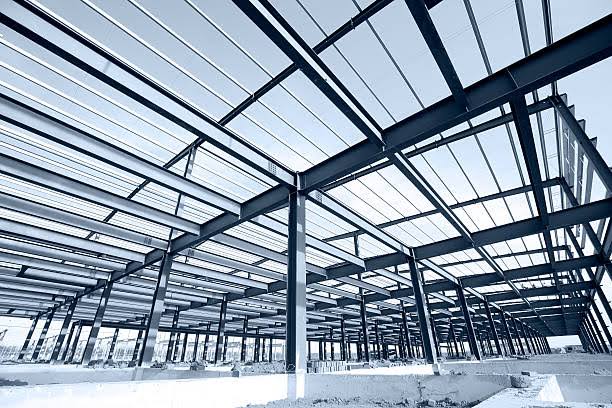
A paper machine runs day and night. Its rolls turn fast, and each turn sends vibration into the frame. Pumps, refiners, and dryer cylinders add their own loads. So a steel structure for paper mill design must treat vibration as a design load, not as a side note.
At the Townsend Hook paper mill in Kent, the new hall runs 162 m long. Its span is 32.7 m. It took 2,200 tonnes of steel and two 50-tonne overhead cranes. Floor slabs run up to 450 mm thick to resist vibration. Columns stand on fixed bases with base plates up to 100 mm thick.
Plan Loads Before You Plan Spans
Clear span decides how much room operators have below. A wide span keeps the floor open for the machine and pipe runs. It also raises the frame size and the cost. Balance span, height, and access before you fix the grid.
- List every dryer roll, pump, and refiner that the frame must carry.
- Add pipe, steam, and cable tray loads to the same list.
- Allow for cranes, hoists, and future machine swaps.
- Check deflection limits, since pipes and seals dislike movement.
- Keep walkways clear of valves that need daily access.
Crane rails need the same care as the main frame. A rail that moves wears fast and trips the crane. So check rail alignment with the crane supplier before you order. Good rails cut downtime, and they protect the crane wheels.
Plan delivery in the same way as design. Steel parts should arrive in install order, marked and numbered. That cuts site time and avoids rework on a live mill. Ask how the supplier packs and sequences delivery when the mill sits overseas.
Mills grow, so leave room for the next upgrade. Removable panels and spare bays let operators add a pump or a dryer later. A steel structure for paper mill projects should allow that growth without a rebuild.
Talk about future loads with the design team at the start. A small reserve in the frame now costs less than a new frame later. So agree the reserve load in writing before the design is fixed.
Layout Planning for a Paper Mill Steel Structure
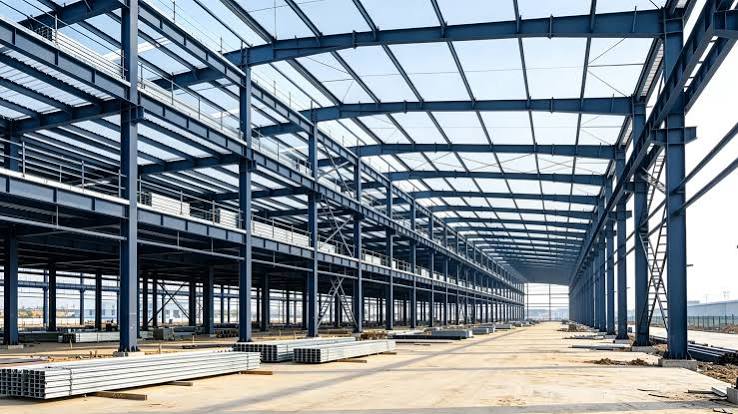
For a full package, TCGG supplies steel frames, machine halls, and reel stores to project drawings. Parts arrive marked in install order. That single package keeps the hall, access steel, and reel store under one scope. It also gives the site team one point of contact for the steel works.
Layout starts with the machine line, not with the building edge. The paper machine sets the centre of the plan. Stock prep sits on one side, and the reel store sits on the other. Dispatch roads then run clear of the machine hall doors.
Keep the crane path free from end to end. A crane that cannot reach the far bay is a crane half used. So check the crane travel against the machine length before you fix the column grid.
Q: Do I need a full steel building for a paper mill?
A: In most cases, yes for the machine hall. You need a wide, tall frame that carries cranes and the paper machine.
Q: What harms steel fastest in a paper mill?
A: Constant wetting plus chemical vapour. Condensation keeps steel wet, and bleach chemicals attack the coating.
Q: How do I plan the layout?
A: Start with the machine line and the crane path. Then place stock prep, reel store, and dispatch around them.
- Confirm the corrosion zone for each room and each hall.
- List all machine loads, with pipe and steam weight.
- Check clear spans against crane and access needs.
- Ask for coating, fastener, and joint details in writing.
- Plan delivery and install order before the first shipment.
Ask the supplier for drawings, coating details, and load checks before you sign. Your steel structure for paper mill package needs that list in writing. Compare offers on that list, not on price alone. A low-priced frame often hides the thinnest coating.
Ask for the coating class, the fastener type, and the weld standard in the same document. If a detail is missing, ask for it now. A gap found on site costs far more than a gap found on paper.
Need help with a steel structure for paper mill design? Send us an inquiry with your project details. Our specialists will reply and help you.