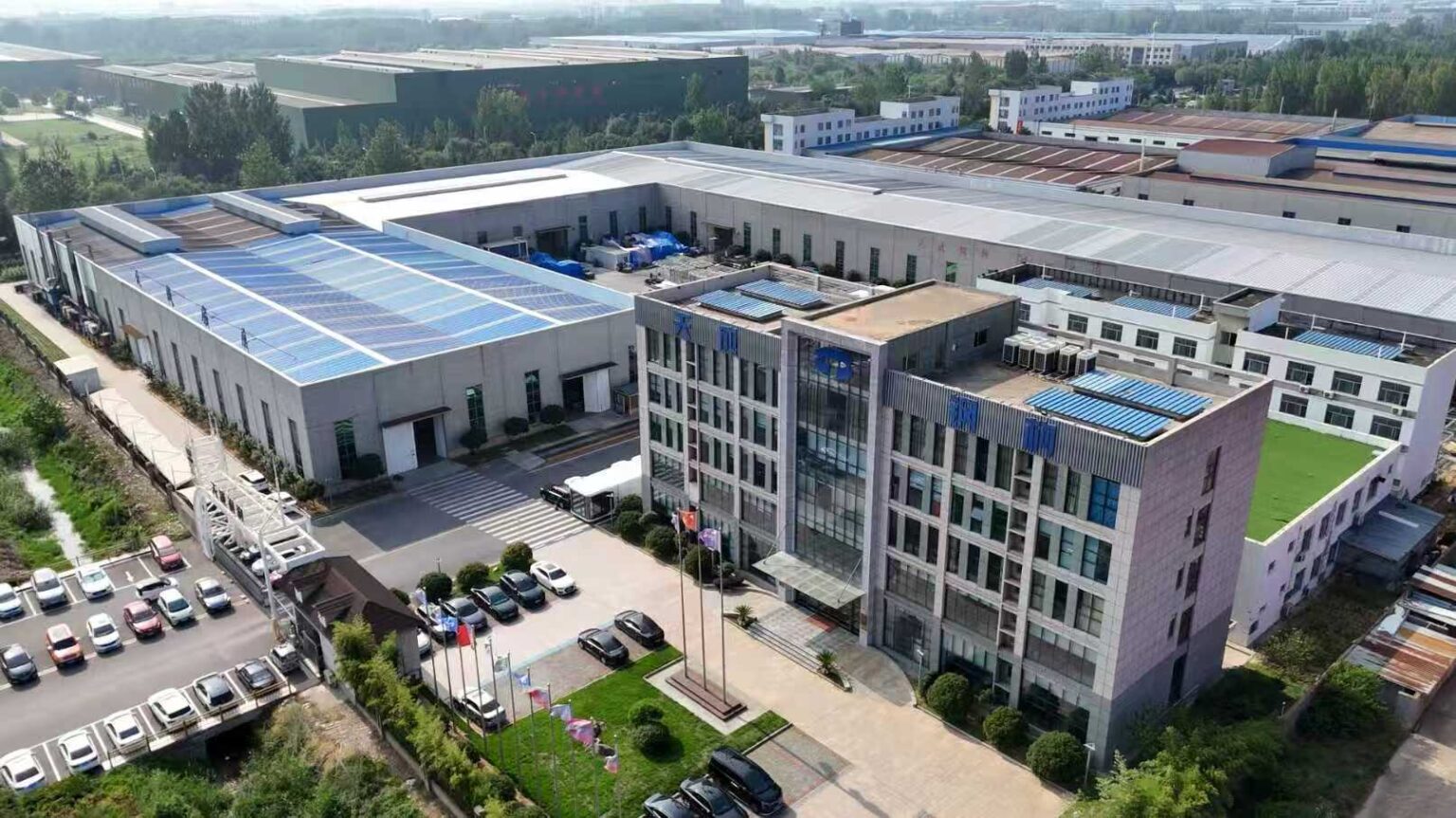
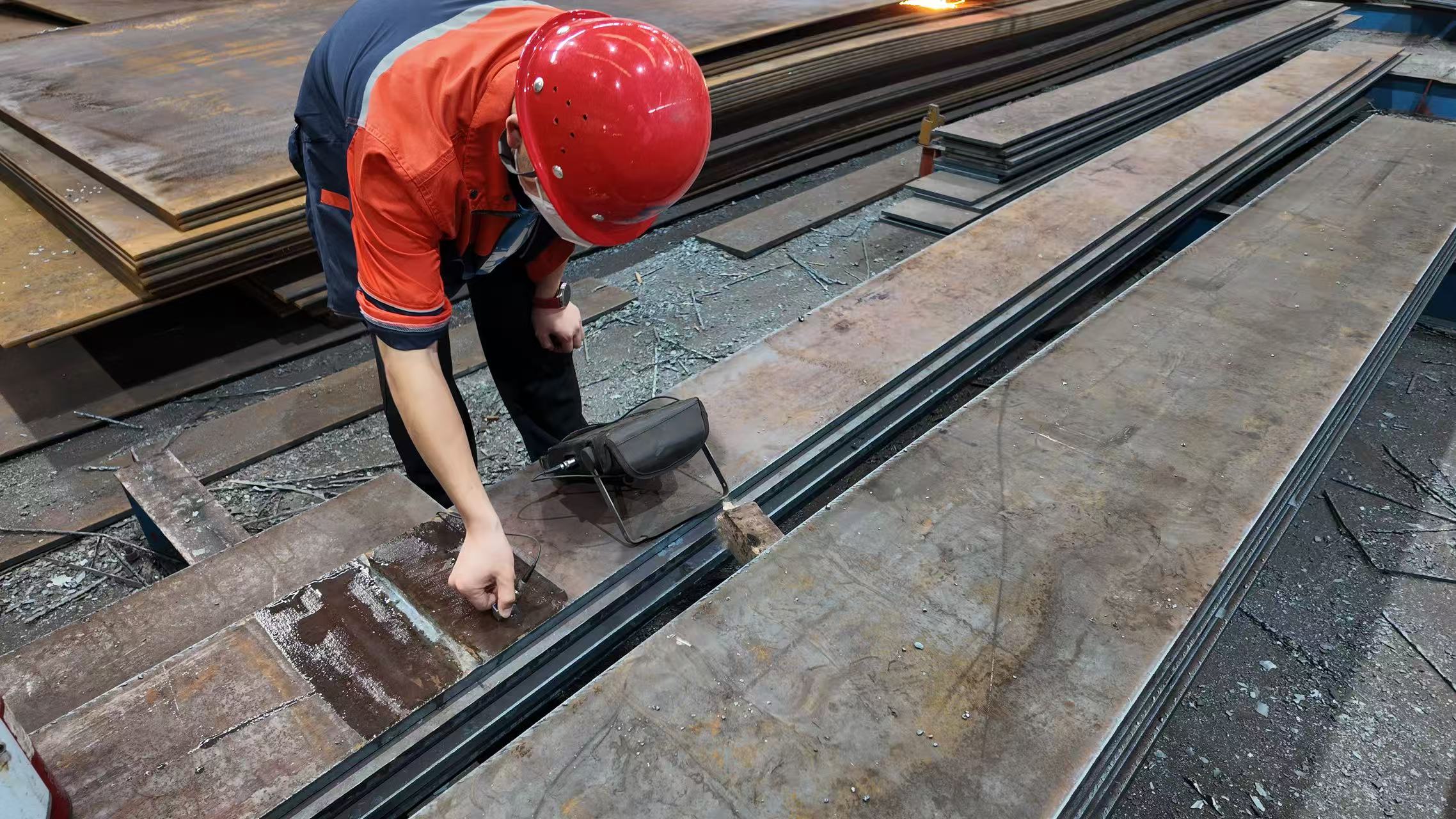
A prefabricated steel building manufacturer China buyers trust designs, fabricates, and packs the frame in the factory. It ships the frame ready for site assembly. The lead time and the packing decide whether the project lands on schedule. This guide explains what a prefabricated steel building manufacturer China offers. It covers stage times and export packing.
What to Expect from a Prefabricated Steel Building Manufacturer China
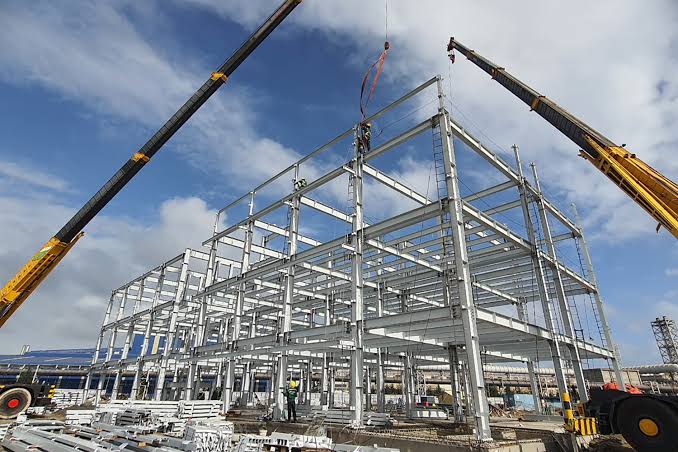
Prefabricated steel building manufacturer China: a factory that designs, fabricates, and packs steel buildings for export. The frame is cut, welded, and coated in the shop. It ships in containers or as break-bulk cargo. The site crew then bolts it together. Most of the work happens in the factory, not on site.
A full-service manufacturer covers five stages. Design turns your drawings into shop drawings. Fabrication cuts and welds the members. Surface treatment blasts and coats the steel. Packing protects the load for sea freight. Documents cover the packing list, the invoice, and the bill of lading. A supplier that skips a stage leaves the risk with you.
China suits this model for three reasons. The supply chain is deep, with steel mills, coating lines, and ports close together. High volumes keep the unit cost low. The export ports handle steel cargo daily. A prefabricated steel building from China can reach most ports in 2 to 6 weeks by sea.
Not every supplier is a manufacturer. Some are traders with no factory. Ask for the factory address, the workshop photos, and the fabrication equipment list. A real manufacturer will show the cutting line, the welding bays, and the blasting booth. A trader will change the subject. The factory visit, in person or by video, is the fastest test.
Lead Times: From Order to Shipment
Lead time starts at drawing approval, not at the deposit. The design stage takes 1 to 3 weeks. It covers the frame analysis, the connection design, and the shop drawings. Changes during this stage are cheap. Changes after fabrication starts are not.
Fabrication takes 2 to 5 weeks for a mid-size building. It covers cutting, welding, drilling, and assembly checks. Larger buildings take longer. A 5,000-square-metre warehouse needs more shop time than a 1,000-square-metre shed. The factory schedule matters too. Peak season can add 2 to 4 weeks to the queue.
Surface treatment takes 3 to 5 days. Shot blasting cleans the steel to Sa 2.5. Primer and topcoat follow, with drying time between coats. Hot-dip galvanizing takes longer and needs a separate slot. Packing and loading take 2 to 4 days. The crew bundles the members, labels each bundle, and loads the containers.
Sea Freight and Total Lead Time
Sea freight takes 5 to 40 days by route. Southeast Asia takes about a week. The Middle East takes 2 to 3 weeks. Africa and South America take 3 to 6 weeks. Port congestion can add days at either end. A prefabricated steel building manufacturer China exporters use will quote the freight lane and the transit time in writing.
| Stage | Typical time | What can delay it |
|---|---|---|
| Design and shop drawings | 1 to 3 weeks | Late crane data, design changes |
| Fabrication | 2 to 5 weeks | Peak season, large tonnage |
| Surface treatment | 3 to 5 days | Galvanizing slot, wet weather |
| Packing and loading | 2 to 4 days | Missing parts, container shortage |
| Sea freight | 5 to 40 days | Route, port congestion |
Total lead time often runs 6 to 12 weeks from drawing approval to port arrival. Plan backwards from the site date. Allow a buffer for customs and inland transport. A factory that promises 3 weeks for a 3,000-square-metre building is cutting a corner somewhere. Ask which stage they shortened. Read a lead-time quote with care. Ask which date the clock starts from. Some quotes start at the deposit. Others start at drawing approval. The gap between the two can be 2 weeks. Ask for the stage dates in writing. A quote with dates is a plan. A quote without dates is a guess.
Export Packing: What Protects Your Steel at Sea
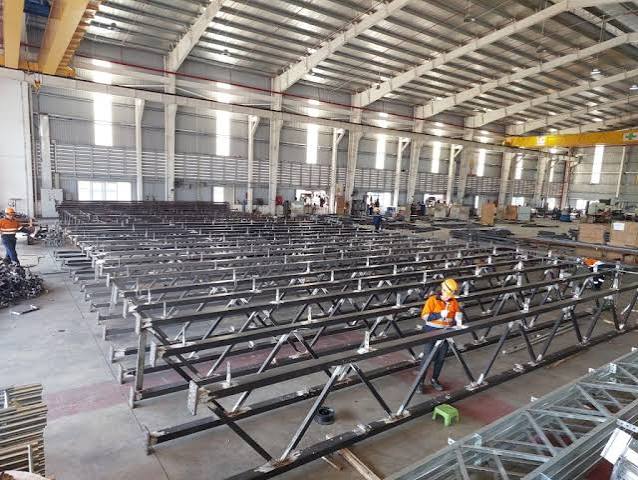
Export packing must survive a long sea voyage. Salt air, humidity, and rough handling attack unprotected steel. Good packing starts with the coating. A zinc-rich primer of at least 80 microns protects the surface. Edge protectors cover the cut ends. Steel bands hold each bundle tight every 2 to 3 metres.
Panels and accessories need separate care. Sandwich panels pack in steel pallets with plastic film. Doors and windows pack in bubble wrap. Bolts and small parts go in wooden boxes with labels. Desiccant packs sit inside each container to absorb moisture. A container that arrives damp can rust the bolt kits before erection starts.
Labelling matters as much as wrapping. Each bundle carries the frame number and the piece marks. The packing list matches the marks. The site crew unloads in erection order, not in container order. A clear load plan saves a day of sorting on site. The steel factory building supply scope should list the packing method for each item type.
Container choice follows the member size. Standard 40-foot containers suit most members under 12 metres. Open-top containers suit taller loads. Flat-rack containers suit wide or heavy pieces. Long members over 12 metres ship as break-bulk cargo or in two pieces with a site splice. Ask the supplier for the container plan before you pay the deposit. Storage at the port needs the same care. Containers can sit for days before the vessel sails. Rain and sun hit the load through the container vents. A supplier that loads early should use sealed packing. Ask how long the load waits at the port. Short waits cut the rust risk.
What to Check When the Container Arrives
Check the seals first. A broken seal means the load was opened in transit. Count the bundles against the packing list. Look for bent flanges, torn wrapping, and rust spots. Photograph any damage before unloading. Report it to the supplier and the insurer the same day. A claim filed late is often a claim refused.
Shipping, Incoterms and the Documents You Need
Incoterms set who pays for freight and insurance. EXW means you collect from the factory gate. FOB means the supplier loads the vessel at the port. CIF means the supplier pays freight and insurance to your port. DDP means the supplier delivers to your site. The International Chamber of Commerce publishes the Incoterms 2020 rules that define each term. Read the term in your contract before you sign it.
Documents travel with the cargo. Every bundle and box appears on the packing list. The commercial invoice states the value. The carrier receives the goods under the bill of lading. Customs may need a certificate of origin. Mill certificates prove the steel grade. A prefabricated steel building manufacturer China buyers rely on will issue all five without being asked twice.
Customs needs the right HS code. Steel structures use HS code 7308.90. The code sets the duty rate at your port. Confirm the code with your broker before shipment. A wrong code can hold the cargo at customs for days. The steel factory building specifications should list the steel grade and the coating for the customs file.
Late shipment needs a plan too. Ask the supplier how they report delays. A weekly update beats a surprise at the port. Check the contract for a late-delivery clause. Some contracts set a penalty per week. Others only set a new date. Know the term before you pay the deposit. Payment terms follow the same care. A common split is 30 percent deposit and 70 percent before loading. Some suppliers accept a letter of credit. Never pay in full before loading. A third-party inspection before loading protects both sides. The inspector checks the members, the coating, and the packing against the contract.
TCGG packs each order by erection sequence, with bundle marks that match the shop drawings and the packing list. The container plan goes to the buyer before loading, so the site crew knows the unload order in advance.
Common Questions
Q: How long does a prefabricated steel building manufacturer China take to deliver? A: Design, fabrication, and freight often take 6 to 12 weeks in total. Peak season and long sea routes add time. Plan backwards from the site date.
Q: How are steel buildings packed for export from China? A: Members are bundled and banded, panels go in pallets, and bolts go in labelled boxes. Desiccant packs sit in each container. Marine-grade packing should be in the contract.
Q: What Incoterm should I choose for a steel building? A: FOB suits buyers with their own forwarder. CIF suits buyers who want the supplier to arrange freight and insurance. DDP suits buyers who want door-to-door delivery.
Q: How do I check a prefabricated steel building manufacturer China? A: Ask for the factory address, the equipment list, and a video visit. Check the packing list, the mill certificates, and the inspection record before loading.
Need help with your prefabricated steel building manufacturer China? Send us an inquiry with your project details. Our specialists will reply and help you.