
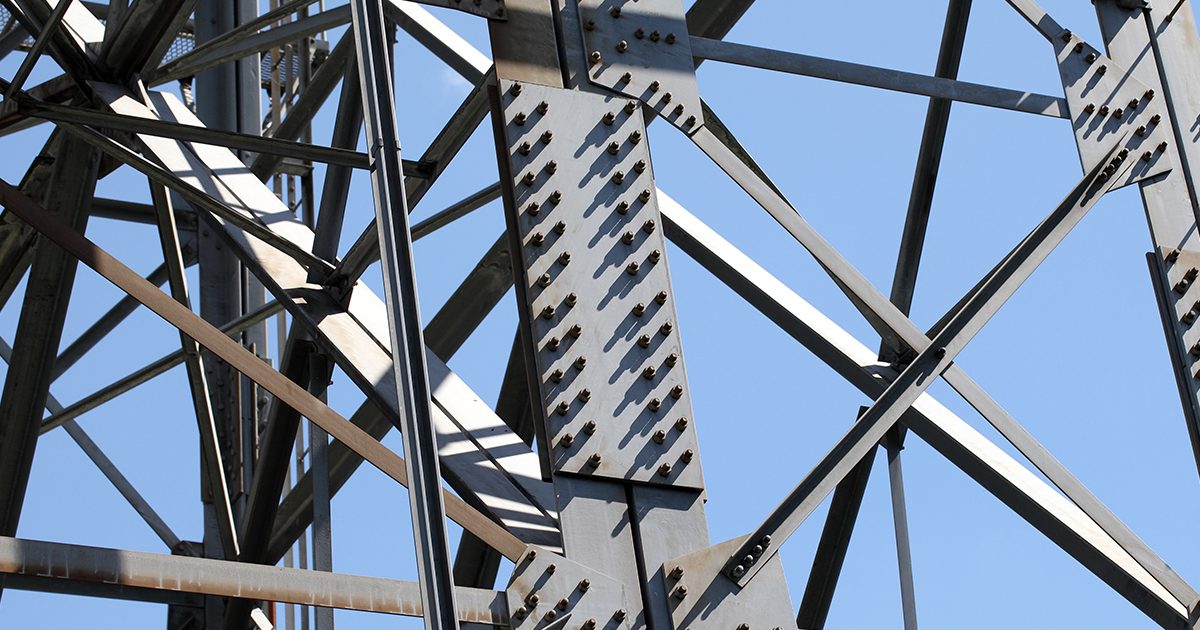
Steel structure corrosion protection for coastal projects starts with one choice. You must match the protection system to the salt load at the site. Salt air, wind, and wet cycles attack bare steel fast. A system built for inland use will fail early near the sea. This guide shows how to grade the site, pick a coating, and plan upkeep. It also shows where galvanizing helps and where design details matter. Use it to brief your engineer and your coating supplier.
Buyers often ask for one coating that fits every coast. No single system fits all sites. Distance, wind, and use all change the answer. This guide gives you the questions to ask. It also gives you the terms to read in a supplier quote. Coastal steel corrosion protection plans start with the site survey. They end with a written spec and a simple upkeep plan.
Why Coastal Air Attacks Steel So Fast
Steel rusts when water and oxygen reach its surface. Salt makes this process much faster. Chloride ions from sea spray break the thin film that shields steel. Once the film breaks, rust starts in small pits. The pits grow under paint and lift it from the steel. High humidity keeps the surface wet for long hours. Each wet cycle adds more rust. Wind drives salt into joints, laps, and bolt holes. These hidden spots often fail first. Splash zones face the worst load. Spray hits the steel again and again. So a coastal frame needs a stronger system than an inland frame. The steel itself does not change. The protection around it must change.
Steel structure corrosion protection also depends on local wind and rain. Onshore wind carries more salt inland. Rain can wash salt off exposed faces. Sheltered faces stay salty for longer. Industrial fumes add a second attack. Sulphur compounds mix with salt and speed rust. Your site survey should note wind direction, distance from the sea, and nearby plants. These facts shape the coating class. They also shape the inspection plan. A site near a port needs more care than a site on a dry headland.
Where Corrosion Starts First
- Fasteners and bolt heads rust first in salt air.
- Cut edges and weld zones lose coating fast.
- Laps and crevices trap water for days.
- Base plates sit close to splash and soil.
- Windward faces take the full salt load.
Steel Structure Corrosion Protection Starts with the Environment Class
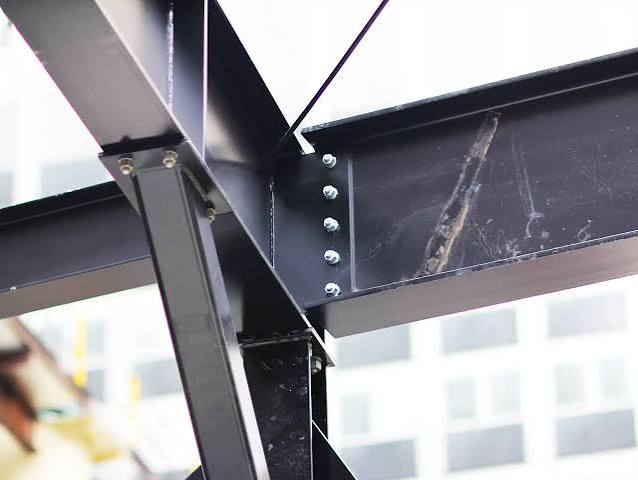
Steel structure corrosion protection starts with the class, not the paint. ISO 12944 groups sites by corrosivity class. The scale runs from C1 to CX. Coastal sites often fall in C4 or C5. C5 means a very high salt load. CX covers offshore sites and splash zones. The class sets the coating build and the target service life. Your engineer should confirm the class for your site. Wind, distance from the sea, and local industry all shift it. A site 100 metres from the shore differs from one 5 kilometres inland. Do not guess the class from a map alone. Ask for local chloride data where you can. A wrong class means a thin system in a harsh place.
- C3 covers urban coasts with low salt, and it needs a standard paint system.
- C4 covers coastal industry with moderate salt, and it needs a thicker multi-coat system.
- C5 covers seafront sites with high salt, and it needs a high-build system with a long life.
- CX covers offshore sites and splash zones, and it needs a special marine system.
Class and durability work as a pair. Durability bands run from low to very high. Low means under 7 years to first upkeep. Very high means over 25 years. A C5 site with a low durability target still needs a strong system. The pair guides the film thickness and the coat count. It also guides the maintenance plan. Ask your supplier to state both class and durability in writing. That pair becomes the basis for checks on site. If the pair is missing, the spec is not complete. Ask for test data that matches your class. Design loads and codes shape the frame before coating starts.
Coating Systems That Work in Marine Air
Steel structure corrosion protection needs three coats that work as one system. A coating system has three jobs. It must block water, block salt, and stick to steel. One thin coat cannot do all three. Most coastal systems use three coats. A zinc-rich primer comes first. An epoxy coat builds thickness next. A polyurethane topcoat seals the surface last. The topcoat resists sun and rain. Together the coats form a thick barrier. Dry film thickness matters as much as paint type. Your spec should state the total thickness in microns. Your engineer should confirm the number for your class. A steel building corrosion coating works only when each coat cures fully. Wet coats trap solvent and weaken the bond. So allow full cure time between coats. Store paint in a cool, dry place. Old paint can fail early. Check batch dates before work starts.
Marine environment steel protection starts on the blast line, not in the paint tin. Blast cleaning to Sa 2.5 gives a clean, rough profile. Paint bonds well to that profile. Dust, oil, and salts must go first. Soluble salts hide in pits and welds. Wash the steel before you blast it. Check the surface before each coat. Steel must be dry and warm enough to paint. Cold steel sweats and traps water under paint. Your coating crew should log temperature and humidity each day. Those logs prove the work met the spec.
How to Check Coating Quality on Site
- Check dry film thickness with a gauge on each coat.
- Look for pinholes and thin spots after the topcoat.
- Test adhesion on a small patch before full work.
- Record batch numbers and cure times for each coat.
- Reject work that skips surface prep or cure time.
Galvanizing Steel Structures: When Zinc Helps Most
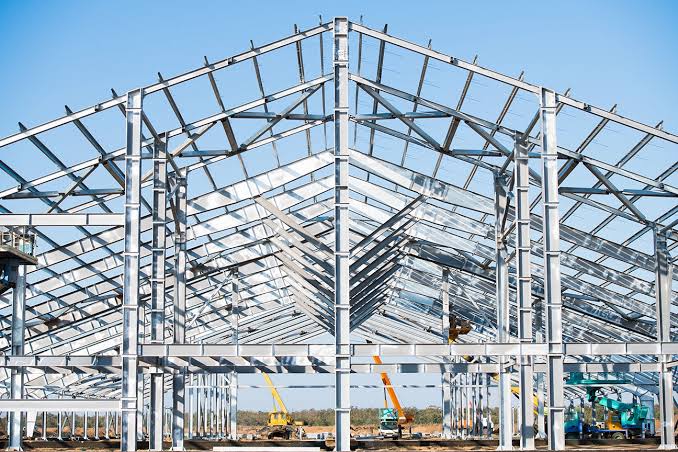
Hot-dip galvanizing coats steel in molten zinc. Zinc corrodes first and shields the steel below. This is called sacrificial protection. It works well at small nicks and cut edges. Paint alone cannot heal a scratch. Zinc can slow rust at the break. Members must fit the galvanizing bath. Large trusses may need split sections. Your fabricator should confirm bath size early. For steel structure corrosion protection, zinc suits small parts best. Purlins, brackets, and fasteners take it well. Large columns may need a paint system instead.
Duplex Systems: Zinc Plus Paint
A duplex system pairs galvanizing with paint. The paint shields the zinc from fast wear. The zinc backs up the paint at damage points. This pair suits C5 sites well. It costs more up front. It can cut repair work over the life of the building. Your engineer should weigh cost against service life. A duplex coat also adds colour choice. Galvanizing alone leaves a grey spangled finish. Paint gives the colour your project needs. Check that the paint suits a zinc base. Some paints need a special primer on zinc.
TCGG works with project teams to match the coating system to the site class and the design life. That match starts with the site survey and the load data. It ends with a written spec your coating crew can follow. A clear spec avoids guesswork on site. It also makes inspection simple. Ask for the class, the system build, and the film thickness in one document.
Design Details and Upkeep That Extend Service Life
Good design drains water away from steel. Slopes, drip edges, and gaps stop ponding. Seal crevices where water can sit. Keep dissimilar metals apart or isolate them. Steel structure corrosion protection also needs good design, not just good paint. Steel and aluminium need a break between them. Bolts need the same care as plates. Use coated fasteners that match the system. A chain fails at its weakest link. Coating is no different. Steel buildings for coastal use need these details from the first sketch. Retrofits cost more than good design. Ask your designer to show water paths on the drawings. Portal frame design sets the joints that need full coating cover. Warehouse design faces the same salt load as factory frames. A steel frame suits coastal sheds where speed and span matter, so compare steel with concrete before you choose.
Inspect the building each year. Look at fasteners, joints, and base plates first. Wash salt deposits off the steel. Touch up small damage fast. Small rust spots grow quickly in salt air. Keep a simple record of each check. Photos help track change over time. Plan a full recoat before the system fails. A recoat on sound steel costs less than repair. Budget for upkeep from year one. Steel structure corrosion protection is a plan, not a one-time job.
Common Questions
Q: What is steel structure corrosion protection? A: It is the mix of coating, galvanizing, design, and upkeep that keeps steel sound in salt air.
Q: How often should a coastal steel building be inspected? A: Check it at least once a year, and after storms.
Q: Can weathering steel work near the sea? A: No. Salt breaks its protective layer, so use coated or galvanized steel instead.
Q: Does galvanizing replace paint on a coastal site? A: Not always. Zinc alone wears fast in C5 air, so a duplex system often lasts longer.
Need help with coastal corrosion protection for your steel project? Send us an inquiry with your project details. Our specialists will reply and help you.