
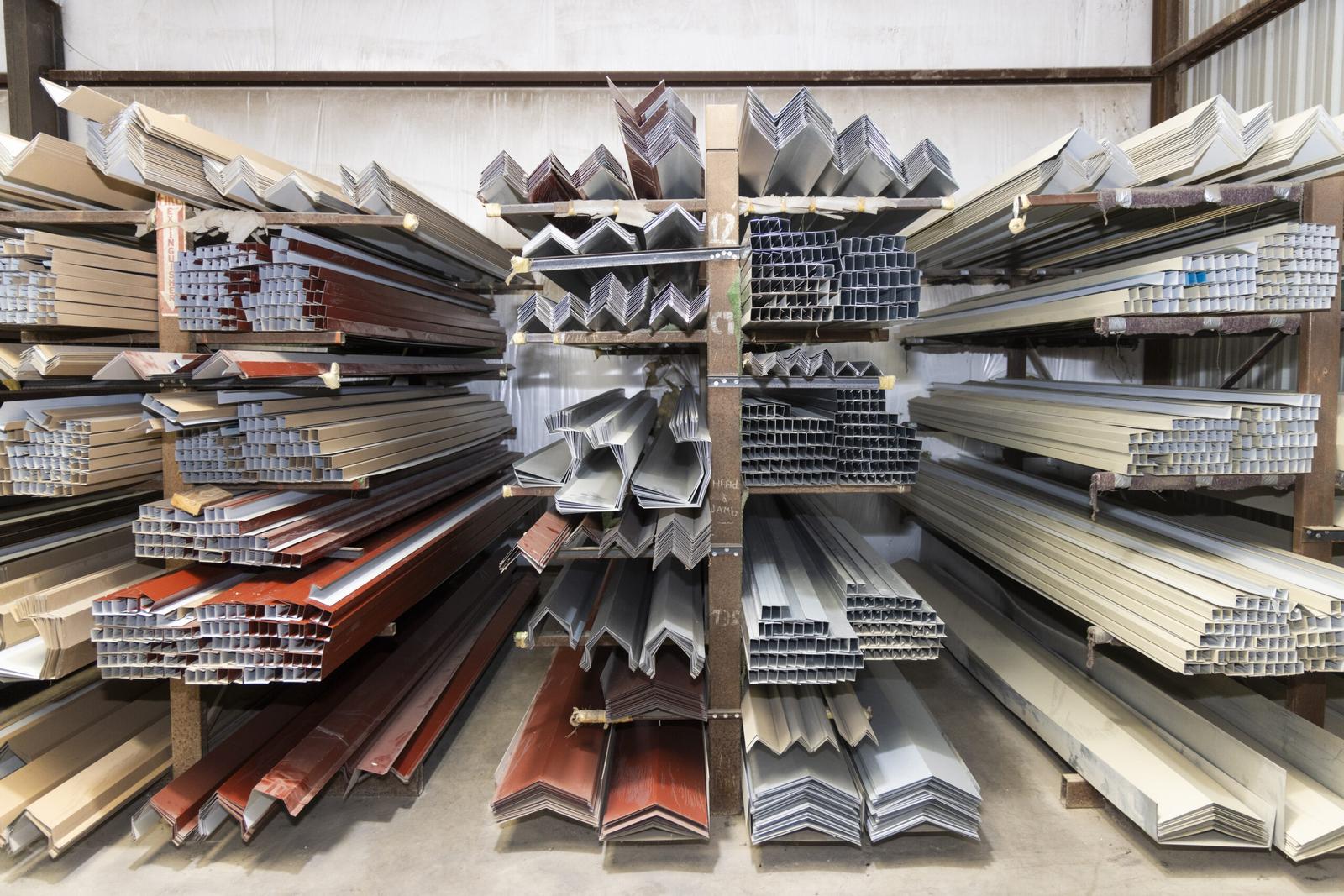
Steel structure export documentation is the full paper set for one shipment. It proves what you bought, what was made, and what was loaded. It also helps customs clear the steel in your country. Check the full set before the ship sails, not after.
Steel structure export documentation: the trade, transport, origin, and quality papers for one steel shipment.
Each paper answers a different question. The invoice states the sale and the price. The packing list states what sits in each bundle.
Test records state the grade and strength of the steel. So one paper cannot replace another paper. Good steel structure export documentation avoids port delays. This guide shows what to check, step by step.
What Steel Structure Export Documentation Includes
Most shipments need the same core papers. Then the contract and destination add more papers. So start with the core set below. Then add the papers your country asks for.
| Document | What it proves | Who prepares it |
|---|---|---|
| Commercial invoice | The sale, price, and goods | Seller |
| Packing list | Bundles, marks, and weights | Seller |
| Bill of lading | The carriage contract and cargo | Carrier or its agent |
| Certificate of origin | Where the goods were made | Seller, often checked by a chamber |
| Mill test certificate | Grade and test results | Steel mill |
| Inspection report | Checks done before shipment | Inspector named in the contract |
Trade guidance lists the same core papers for export sales. The common export documents page describes each paper in plain terms. It also notes that some shipments need special papers. So treat the table as a start, not a full rule.
Your destination sets many of the extra rules. Banks may add rules for payment. Your contract may add rules for quality proof. For example, a letter of credit can demand exact wording. So collect every rule before production ends.
This paper set sits inside a wider import process. Our guide on how to import steel structures from China shows the full order of steps. Read it before you sign the contract. Then you can set paper duties early.
Core Trade and Transport Papers to Check First

Start with the papers customs reads first. These papers name the buyer, seller, goods, and value. They also link the cargo to the ship. Small errors here cause most port delays.
Commercial Invoice and Packing List
The commercial invoice is the bill for the goods. It states the seller, buyer, goods, and amount due. Customs often uses it to assess duties. So the description must match the real steel. A vague line like metal goods invites questions.
Check the invoice against the contract. Names, prices, and currency must match. The trade term and named place must match too. Also check the steel grade in each line. Then check quantities against the final order.
The packing list shows how the goods travel. It lists bundles, marks, counts, and weights. It also lists package sizes when needed. Customs may use it to check the cargo. However, it cannot replace the commercial invoice.
- Match each bundle mark to the packing list.
- Compare net and gross weights on both papers.
- Count pieces against the shipping list.
- Check that sizes use one clear unit.
Steel structure export documentation fails most often on mismatched totals. For example, one paper may show tonnes. Another paper may show piece counts. Both can be right, yet still confuse customs. So show how the two totals link.
Bill of Lading and Certificate of Origin
The bill of lading is the carriage contract. The carrier issues it for ocean freight. It names the shipper, consignee, route, and cargo. The buyer often needs it to claim the goods. So check the draft before the ship sails.
Check names and marks on the draft. Also check package counts and weights. Fix errors with the carrier at once. After sailing, fixes take longer and cost more. Then keep the final copy with the paper set.
A certificate of origin states where goods were made. Some countries require it for standard shipments. A chamber often checks or stamps the form. Customs may still ask for it at arrival. So ask your broker early, not at loading.
Origin proof and quality proof are not the same. A test record does not prove customs origin. An origin form does not prove steel grade. Good steel structure export documentation keeps both proofs apart. Then each paper does its own job.
Steel Quality Papers That Must Match the Shipment
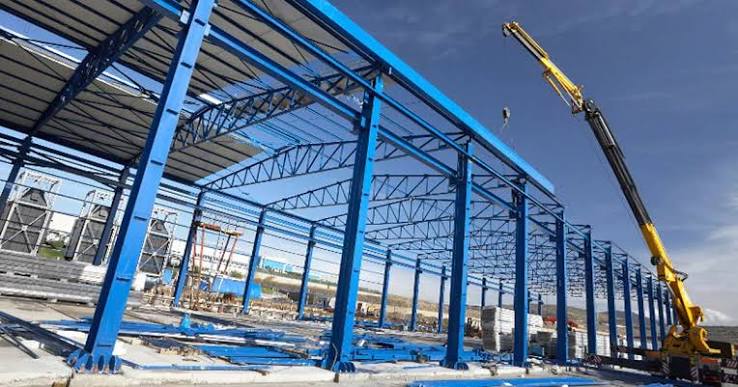
Customs papers prove the sale and the cargo. Quality papers prove the steel itself. Buyers need both sets before shipment. So check quality papers against the physical bundles. Paper that names other steel protects no one.
Mill Test Certificates and Heat Numbers
A mill test certificate comes from the steel mill. It can show grade, standard, and heat number. It can also show chemical and strength results. The exact content depends on your contract. So name the required tests in the order.
- Match the heat number to bundle labels.
- Compare the grade with the design drawings.
- Check the standard against the purchase order.
- Read test results against contract limits.
Traceability links paper to steel. The heat number is the key link. Labels, lists, and records should carry it. If one label differs, stop and ask why. Then fix the record before loading starts.
Steel structure export documentation also covers the drawing set. Approved shop drawings show each piece and mark. The packing list should use the same marks. Our guide to steel structure shop drawings shows the checks. Use it before fabrication starts, not after.
Inspection Reports and Drawing Records
An inspection report records checks before shipment. The contract should name the inspector and scope. For example, the scope may cover size and coating. It may also cover counts and packing. A narrow scope proves only what it checked.
See what third-party inspection for steel structures covers before shipment. Then set the scope in writing. Ask for the report before the ship sails. Also ask for photos of marks and bundles. Photos help the site team later.
Keep drawing records with the quality set. Approved drawings prove what the shop built. Revision numbers prove which version was used. Erection drawings help the site crew place parts. So file all three sets together.
Quality papers also support supplier checks. Our guide to verify a steel structure manufacturer in China shows the wider checks. Use it before you place the order. Then paper duties sit in the contract early.
How to Check the Full Set Before Shipment
Check steel structure export documentation as one set. Do not check each paper alone. The same names and totals must repeat. The same marks must appear on bundles. Then the set tells one clear story.
A Simple Order of Checks
- First, confirm the contract, grade, and destination rules.
- Next, check the invoice against the final order.
- Then check the packing list against real bundles.
- Also match heat numbers to test records.
- Then read the draft bill of lading.
- Finally, file the signed set in one folder.
Timing matters as much as content. Some papers need stamps or signatures. Origin forms can take extra days. Inspection reports need time after checks. So set paper deadlines before loading day.
Payment terms can add strict paper rules. A bank may check wording, dates, and copies. Customs may accept a paper that the bank rejects. Our guide to steel structure export payment terms explains the link. Read it before you agree payment terms.
Steel structure export documentation should also match the payment file. Invoice numbers must match bank papers. Dates must fit the agreed payment window. Copies must match the originals you hold. So send the bank set early for review.
Errors That Cause Port Delays
| Error | Risk | Fix |
|---|---|---|
| Wrong consignee name | Cargo release slows down | Correct the draft before sailing |
| Mismatched weights | Customs checks the cargo | Weigh again and amend both papers |
| Missing heat number | Quality proof breaks down | Link records to bundle labels |
| Vague goods description | Classification questions arise | Name grade, form, and size |
| Late origin form | Clearance waits for proof | Apply before loading day |
Most errors start as small copying slips. A changed order may not reach the invoice. A new weight may not reach the list. So update every paper after each change. Then check the full set once more.
Ask your broker to review drafts early. Brokers know destination rules in detail. They can spot missing papers fast. They can also confirm tariff codes. However, the seller must still supply true data.
Costs, Timing, and Your Pre-Shipment Checklist
Paper costs are small next to delay costs. Fees may cover stamps, checks, and courier copies. Inspection fees depend on the agreed scope. Storage fees grow when cargo waits at port. So budget for checks before shipment.
Steel structure export documentation needs a named owner. One person should collect and check each paper. That person should chase stamps and signatures. Shared duties often mean missed deadlines. So name the owner in the contract.
Questions Buyers Ask Most
Q: Which papers do I need before shipment?
A: Start with invoice, packing list, and bill of lading. Then add origin and quality papers as required. Your broker can confirm the full list.
Q: Can the packing list replace the invoice?
A: No. The packing list shows bundles and weights. The invoice shows the sale and value. Customs may check one against the other.
Q: When should I check the paper set?
A: Check drafts before loading day. Then check finals before the ship sails. Early checks leave time for fixes.
- Confirm names, values, and terms on the invoice.
- Check marks, counts, and weights on the list.
- Match heat numbers on test records.
- Read the draft bill of lading.
- Verify origin proof for your destination.
Ask the supplier for draft papers before loading. Your steel structure export documentation file needs that list in writing. Compare offers on paper scope, not price alone. A thin paper set often hides weak control.
For a full package, TCGG supplies steel frames with marked parts and one paper set. That single scope keeps drawings, bundles, and records aligned. It also gives your broker one clear file. So checks finish faster before sailing.
Need help with steel structure export documentation? Send us an inquiry with your project details. Our specialists will reply and help you.