
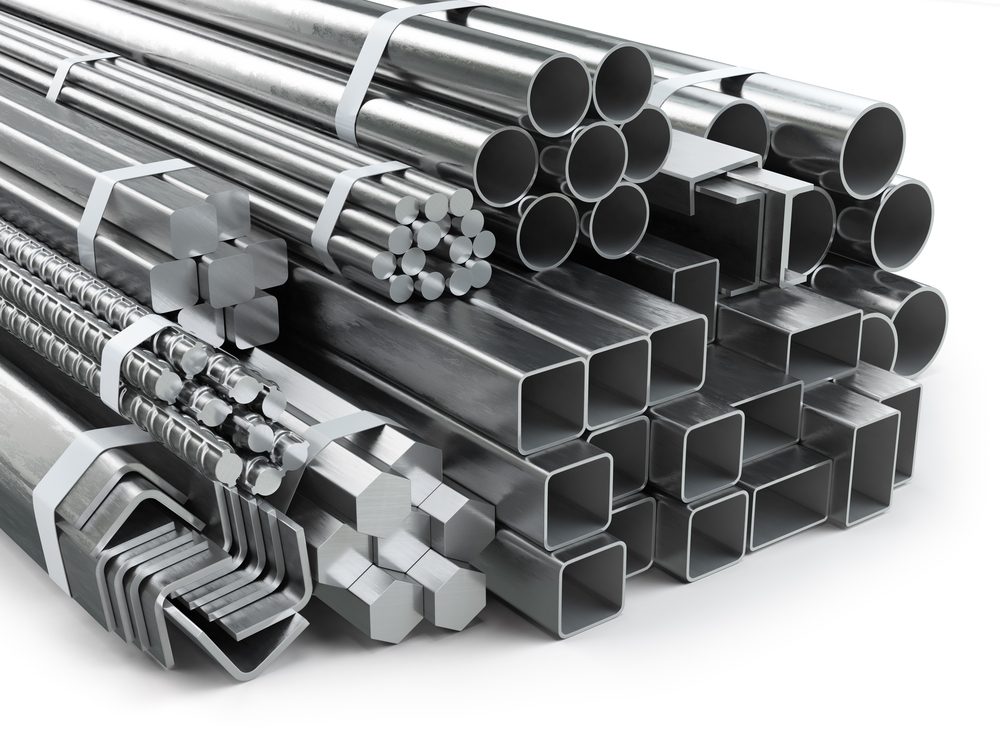
This guide shows how to import steel structures from China in eight clear steps.
Each step cuts risk, so a first order stays on time and on budget. Read it once, then use it as a check list for your next project.
Steel frames, columns, and beams travel well by sea, and China ships them worldwide every week. Still, a smooth import needs more than a low price. You need clear drawings, a checked supplier, and papers that match at both ports. This guide covers each part in plain order, with no jargon and no guess work.
Plan for a full cycle of about 8 to 12 weeks from order to site. Custom design, export papers, and sea transit each add time, so start early. The steps below show how to import steel structures from China for warehouses, plants, and shops of most sizes.
How to Import Steel Structures from China in 8 Steps
Follow the steps in order, and keep each one short and clear.
- Define the spec: size, loads, steel grade, code, and coat system.
- Shortlist real plants, then check their export papers and past work.
- Get a written quote that lists steel, bolts, paint, and freight terms.
- Sign a contract with the spec, Incoterm, pay terms, and check rights.
- Approve shop drawings before the plant cuts any steel.
- Book third-party checks at key stages, then fix faults before load out.
- Confirm the papers match, then book the ship and load by mark.
- Clear customs at the port, then check marks and count parts on site.
Define the Specification Before You Contact Suppliers
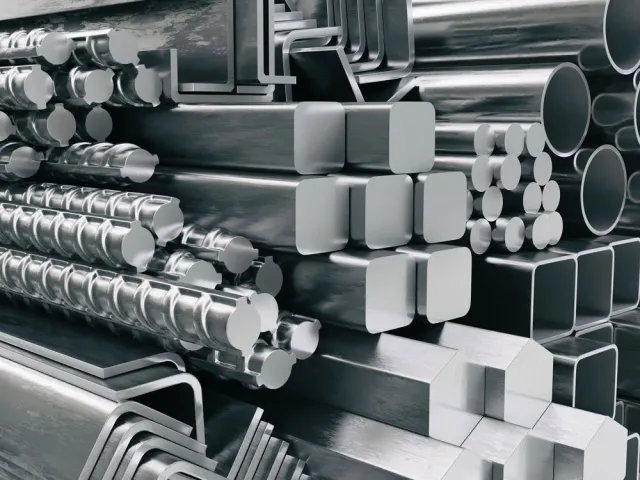
A clear spec is the base of a good import, because every later choice rests on it. It also sets the terms you use when you import steel structures from China. Write down the build size, use, and site loads before you ask for prices. Add the steel grade, design code, and coat system, so quotes stay alike.
Name the design code your local rules accept, such as EN, ASTM, or GB codes. The American Institute of Steel Construction publishes the design specs that many US projects use. For other markets, ask your own engineer which code the plant must meet. Write the code name and year in the spec, so no one has to guess.
What to Put in the Spec Sheet
Use this short list as your spec sheet, and send it with every quote ask. That is how you import steel structures from China without late price shocks.
| Spec item | What to write |
|---|---|
| Building size | Length, width, eave height, and bay spacing |
| Design loads | Wind, snow, seismic, crane, and roof loads |
| Steel grade | Grade name, mill source, and test needs |
| Coat system | Paint or zinc coat, film depth, and site climate |
| Parts list | Frames, purlins, girts, bolts, and anchor cages |
Send the same spec to each plant, so you can weigh quotes side by side. If a quote leaves out bolts, paint, or freight, ask for a new one. A full quote lists each part and cost, and it leaves no gaps. Check the steel factory building specifications early, so the frame fits the use.
Keep the spec live through the build, and log each change with a date. A change log stops mix-ups, because the plant builds to the latest sheet. Send each change to the plant in writing, and ask for a signed note back. That way, the frame on site matches the frame on paper.
Check the Supplier Before You Pay
When you import steel structures from China, check the firm before you pay. Ask for the business licence, export papers, and proof of past ship loads. A plant that hides papers is a risk, so walk away fast. Check whether the firm holds the export licence your HS code needs, because export rules changed in early 2026.
For a direct look at plant scope, TCGG shows how a steel structure maker runs its shops and checks. Use the same lens for each short list firm, and weigh facts, not claims. Ask for two past clients you can call, and check what they say. If a firm will not share names, treat that as a clear warn sign.
Run this check on each China steel structure supplier before you pay a cent.
- Visit the plant by video call, and look at real work in the shops.
- Ask for mill test papers with heat numbers you can trace.
- Confirm weld checks, coat depth checks, and size checks in writing.
- Ask who signs the design, and which code the design meets.
- Check past ship loads to ports like yours, and ask for proof.
Keep a short file on each firm, with papers, quotes, and call notes. A clean file makes the next order fast, because facts stay in one place. Share the file with your team, so no one chases the same facts twice.
Agree the Contract, Incoterm, and Payment Terms
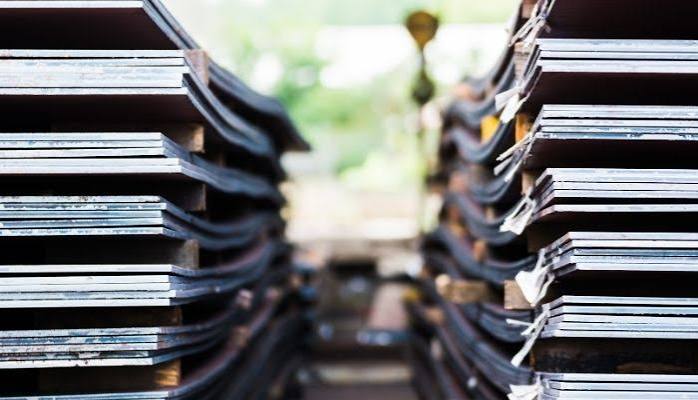
Put the spec, price, Incoterm, and pay terms in one signed contract. A clear contract guards you when you import steel structures from China, so write each term down. Add the ship date, check rights, and what runs if checks fail. Both sides should sign the spec as an annex, so it binds the deal.
FOB, CIF, and DAP in Plain Terms
Incoterms 2020 set who pays freight and who bears risk at each stage. FOB means you book the ship, while the seller loads the goods at port. CIF adds sea freight and cover, so the seller books ship and cover. DAP moves risk to your site, but you still clear customs at the port.
Pick the term that fits your freight skill, then fix it in the contract. First-time buyers often pick CIF or DAP, because the seller runs the ship leg. If you run your own freight, FOB can cut cost and keep control. Ask your freight agent to price each term, so you see the full cost.
Payment Terms Most Buyers Use
A common split is 30% down by bank wire, then 70% on ship papers. First orders often use a letter of credit, because it guards both sides. Never pay the full sum before checks pass, and never pay in cash. Tie the last pay step to passed checks and clean ship papers.
Set the pay steps in the contract, with clear dates and bank facts. For staged plants, link pay steps to phased build stages, so cash tracks work. Keep each wire slip and bank note, because your broker may ask for them.
Check the money path too, because banks may hold a first wire for review. Send wires early in the week, so bank checks do not eat the ship date. Ask your bank what papers it needs, and file them before you pay.
Plan Production, Inspection, Shipping, and Customs
Once both sides sign the deal, the plant makes parts in mark order, so site work runs smooth. Ask for a build plan with dates for cut, weld, coat, and load out. Share the plan with your site team, so cranes and crews stand by on time. If the plant slips, ask for a new date in writing, not by word of mouth.
Inspection Before Shipment
Book a third-party check before the plant loads, such as SGS or Bureau Veritas. The check should cover weld looks, size checks, bolt grades, and coat depth. Ask for photos and a signed report, then pay the balance once checks pass. A failed check should pause load out, so faults get fixed at the plant.
The steps to import steel structures from China do not end at the port, so plan the site side too. Check the steel factory equipment foundations interface early, so base plates and bolts line up. Then map the steel factory internal logistics, so trucks, cranes, and crews do not clash. For plant-side access needs, see our guide to steel factory process equipment access.
Documents Your Shipment Needs
Papers must match at both ports, because one wrong name can hold the load. Ask the seller for the full set before load out, and check each line.
| Paper | Who gives it |
|---|---|
| Commercial invoice | Seller lists price, terms, and load facts |
| Packing list | Seller lists marks, sizes, and weights per pack |
| Bill of lading | Carrier proves load and frees goods at port |
| Certificate of origin | Chamber states the goods’ country of origin |
| Mill test papers | Mill shows grade, heat code, and test facts |
Steel frames often clear under HS code 7308, but your broker must fix the code. Ask your broker to check the code, duty, and tax before you order. Duty rates shift by land and by mill, so get the rate in writing first. Add freight, cover, port fees, and duty to find the true landed cost.
Duties, Taxes, and Delivery
Customs at your port will check the code, papers, and value before release. Pay the duty and tax on time, so the load leaves the port fast. For EU loads, ask your broker about carbon border rules before you ship. On site, check each mark off the pack list, then count bolts and plates.
If parts are short or hurt, note it at once and tell the seller in writing. Photos and the pack list help you claim fast, so keep them on file. For growth plans, link the first build to later bays, so new work fits the old frame. A clean hand over ends the import, and it starts the build phase right.
Keep your file set clean each time you import steel structures from China, so ports clear fast. File each paper for the next order, so the next import runs fast.
Q: How long does it take to import steel structures from China?
A: A first order often takes 8 to 12 weeks from signed deal to site, so plan for that span.
Q: What papers do I need to import steel structures from China?
A: You need a sales invoice, pack list, bill of lading, origin proof, and mill test papers.
Need help importing steel structures from China? Send us an inquiry with your project details. Our specialists will reply and help you.