

Industrial steel building supplier selection should test whether a supplier can deliver the defined project scope. Start with its actual role, key work, quality controls, and latest shop plan. Then compare written offers on the same design and price basis.
A steel structure factory building order involves more than buying steel by weight. For industrial steel buildings, a low price must still match the brief. Design inputs, approved drawings, fabrication, records, packing, and site interfaces all need clear owners. A supplier’s proposal should show where its role starts and ends.
Use a structured review before choosing a preferred bidder. This allows the team to discuss proof and open risks together, rather than relying on sales claims alone.
Start industrial steel building supplier selection with scope
First, define what you want the supplier to provide. A fabrication order against completed drawings differs from a package that includes structural design.
Also separate the steel package from foundations, local approvals, enclosure work, and site erection. You can only test capability fairly after naming the work you expect.
Name the contracting and shop teams
Ask which company will sign the order and which plant will perform the work. Then name any design office, subcontract fabricator, or specialist coating plant involved.
A trading company and a direct fabricator can both take part in a project. The important question is whether the planned arrangement gives each party a clear role. Do not treat the sales label as a complete risk assessment.
Also ask who will manage design questions after award. A quick sales reply is useful. You also need access to the team handling drawings and shop work.
Ask for records that match the project
Give every shortlisted bidder the same request. The following table provides a starting structure, rather than a fixed pass rule.
| Review area | Proof to request |
|---|---|
| Company role | Contracting entity and stated supply role. |
| Shop route | Named plants and planned subcontract work. |
| Design role | Design team, review process, and local interfaces. |
| Key experience | Comparable work with a clearly stated scope. |
| Quality controls | Examples of traceable project records. |
| Delivery planning | Capacity plan linked to the planned order. |
For each submission, record what each record shows and what remains open. A glossy project photo may show a finished building without explaining the supplier’s role.
Check credentials and past work
Certifications can help a buyer understand a supplier’s systems and scope. However, the certificate must match the entity, plant, and activity being assessed.
So, request the full file rather than only a logo. Check the issuing body, reference number, covered activities, and current status through the issuer where possible.
Read the scope behind the certificate
The IAS metal building inspection programme describes AC472 accreditation for companies designing and fabricating metal building systems. IAS also names separate related programmes for other activities. This illustrates why a qualification should be read for its specific scope.
Use AC472 where the project calls for it. The source does not show that a bidder holds it. Have your team confirm the checks and approvals needed at the site.
Also check whether a certificate relates to management systems, products, personnel, or a particular inspection programme. These are distinct forms of proof. One should not silently stand in for another.
Choose past work that matches your project’s main risks. These could involve crane interfaces, large assemblies, complex coating work, or staged export deliveries.
Ask the supplier to state the building use, its own work scope, and the delivery status. Where the customer permits it, seek references that can confirm those details.
Also discuss one difficulty from the example. How did the team handle a drawing change, a quality issue, or a shipment problem? A clear account of the response may reveal more than a list of project names.
Respect client confidentiality when requesting records. A supplier can offer redacted examples or arrange a controlled review without disclosing restricted data.

Follow one sample through the quality process
Quality controls should connect the incoming material with the pieces that leave the plant. So, ask the supplier to explain one complete record trail.
Select a sample that reflects the planned work. Then review the key material, drawing, process, inspection, and dispatch records together.
Check traceability and inspection ownership
Ask how the plant marks and tracks steel during storage, cutting, assembly, and finishing. Also ask how it retains that link when pieces move between work areas.
Review examples of the required welding and inspection records with your technical team. The applicable project standards should define the qualifications and acceptance criteria. Avoid replacing that review with a broad claim such as “all welds checked.”
Then ask who can stop work when a check fails. The answer should name a role and a recorded process, rather than simply promising to fix issues quickly.
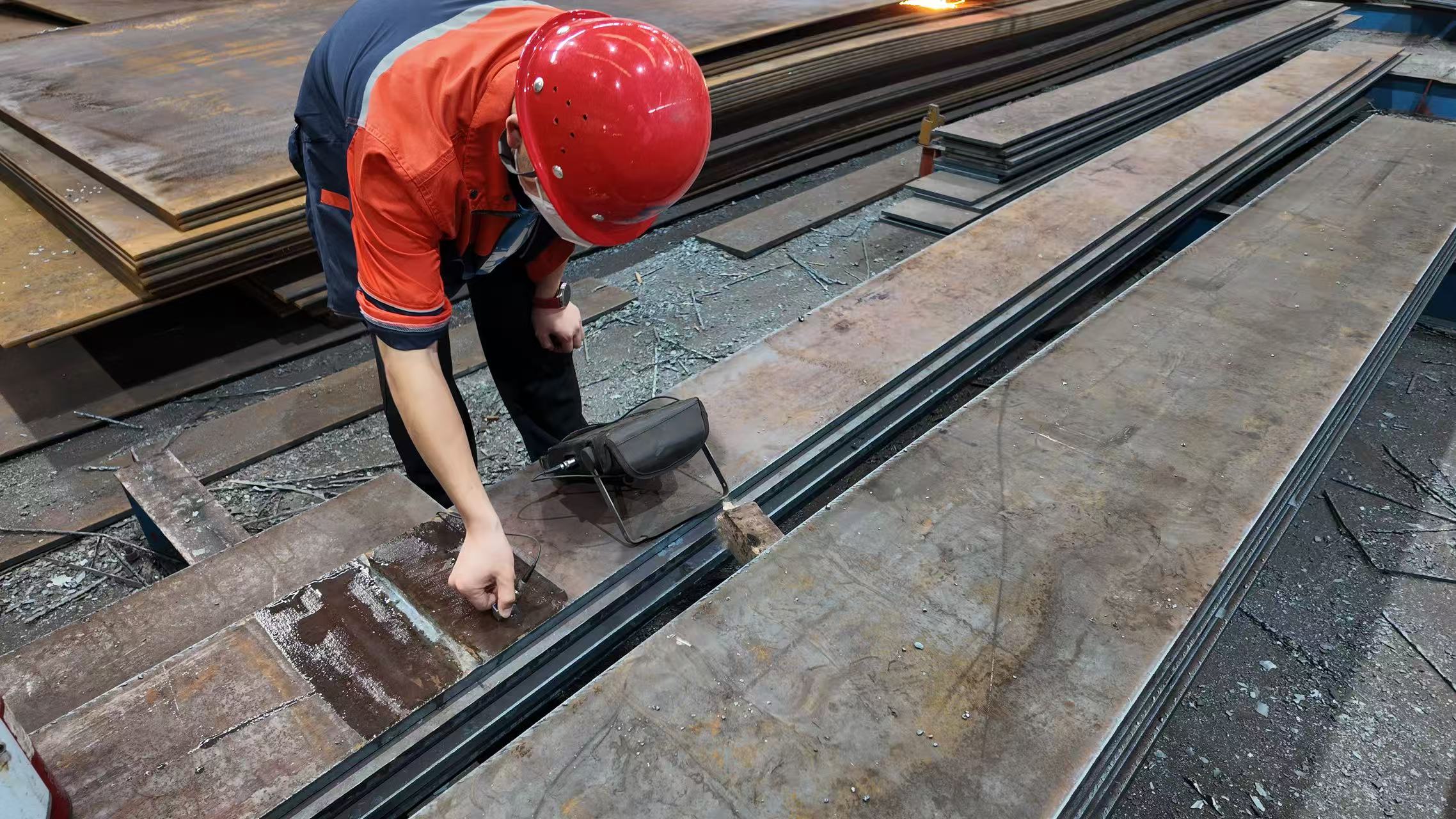
If third-party inspection forms part of the order, agree its scope early. Also confirm access, notice, reporting, and release needs. A visit arranged after packing may be too late for checks that require access in the shop.
Test how the team manages changes
Ask the supplier to show how it distributes a revised drawing. Who removes the old issue from use? How does the shop confirm that affected pieces follow the new issue?
Also discuss work already completed when a change arrives. The team should be able to name affected pieces and request a recorded decision.
Use the same questions when considering TCGG or any other shortlisted supplier. Ask for proof matched to your project, and review it with your design and quality team. Do not infer a capability merely from a general sales page.
Review capacity and delivery against the actual order
A stated monthly output does not tell you whether a plant can meet your programme. The mix of work, other signed orders, and required process steps also matter.
So, ask for a shop plan for your order. It should connect design review, material supply, fabrication, finishing, inspection, and dispatch.
Ask which work centres control the proposed dates. Large assemblies, specialist coatings, or outside processing may follow a distinct route from routine members.
Then check the assumptions behind the plan. Does it depend on approved drawings by a certain date? Are bought-in items or subcontract services still awaiting a firm date?
For phased deliveries, compare the shop sequence with the erection needs. A high total output may still leave the first required pieces unavailable.
Also discuss the reporting process after award. Agree what progress data the buyer will receive and how the supplier will flag delays. A useful report should support decisions, not just list a percentage complete.
Confirm packing and receiving support
Ask how piece marks, bundle labels, and packing records will relate to the erection drawings. The receiving team needs to find the right parts without relying on memory.
Also name who checks packing against the agreed shipment plan. If dispatch occurs in a few lots, define how the supplier records shortages and later balances.
For overseas deliveries, review the agreed delivery term and named place. Then clarify the roles of the supplier, forwarder, importer, and site team. A shipping date alone does not describe all of those handovers.
Compare final offers and close the decision record
Once the technical review is complete, compare the offers against one common scope. Correct differences before treating the headline prices as equivalent.
First, list deviations, exclusions, and open price and payment points. Then ask each bidder for a revised or clarified response to the same final enquiry issue.
Choose criteria that reflect the order’s actual risks. If you use weights, agree them before scoring the final bids. Do not copy a generic weighting as though it suits every project.
| Decision area | Question for the review team |
|---|---|
| Technical fit | Does the accepted proposal cover the required scope? |
| Quality proof | Are the key controls supported by key records? |
| Delivery basis | Are the plan and its assumptions credible? |
| Open interfaces | Who must settle the remaining design and site issues? |
| Total cost | Which costs remain outside the supplier’s price? |
| Contract readiness | Are accepted changes reflected in the final files? |
Keep the score and the reason together. A number without a short explanation can hide disagreement between reviewers.
Trace one sample instead of accepting a general claim
Ask the bidder to choose a completed member from a past order. Start with its piece mark and drawing issue. Then ask the team to show the steel record, shop checks, and final release for that piece.
The point is to test the links between records, not to collect a large stack of files. If the piece mark changes between stages, ask how staff retain the link. If a check found a fault, ask who accepted the repair and where that decision appears.
The quality record overview helps separate certificate scope from the checks agreed for an order. The manufacturing page provides a process map for a focused plant discussion. Neither page replaces a check of the records for your own package.
Next, use the fabrication scope page to list the member types and interfaces you plan to source. Ask the bidder which parts it will make and which work it will place elsewhere. Then compare that route with its quoted programme.
Finally, check the delivery and handover plan against the site sequence. A full factory does not prove that the first needed shipment can leave on time.
Close essential gaps before award
Record why the team selected the preferred supplier. Also retain the material qualifications, final scope, accepted deviations, and agreed programme assumptions.
Use a closing list for points still awaiting action:
- Confirm the company and plant in charge for each package.
- Close technical deviations that affect the price or design.
- Agree the required inspection and release process.
- Confirm drawing approval and production start conditions.
- State the delivery basis and receiving roles.
- Name site services that need a separate agreement.
If a major gap remains, define the next review rather than assuming it will disappear after payment. A well-supported award decision gives both parties a clearer start. It also provides a record for managing changes during the order.
Need help defining your steel building supplier review? Send us an inquiry with your scope and project priorities. Our team will reply and help clarify the files to discuss.